

Marathi Moggu, also sold as Kapok Buds or Marathi Mokku, is a dried bud spice used especially in South Indian cooking. The hard, dark dried buds are valued for the woody, floral and slightly pungent character they develop when roasted or fried with other spices.
This guide focuses on practical identification, culinary use, preparation, storage and quality checks for whole dried Marathi Moggu.
1. What Is Marathi Moggu?
Marathi Moggu is sold as a whole dried bud spice. It is particularly associated with regional cooking in Karnataka and other parts of South India, where it may be included in rice dishes, curries and traditional masala blends.
The spice is normally used in small quantities together with other aromatics. Heating it helps release its characteristic aroma, which is much less obvious while the buds are sitting dry in the container.
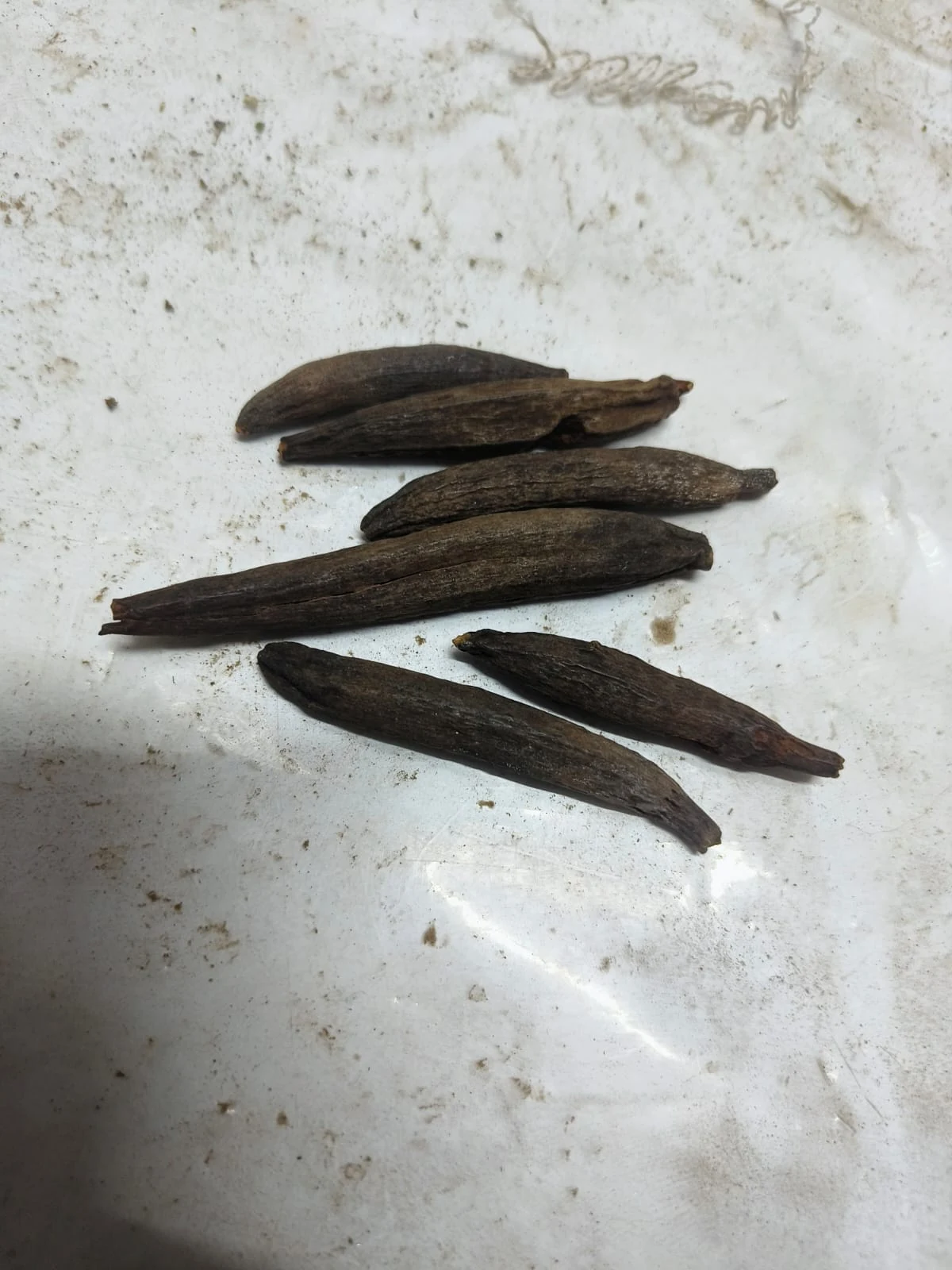
2. How to Identify Marathi Moggu
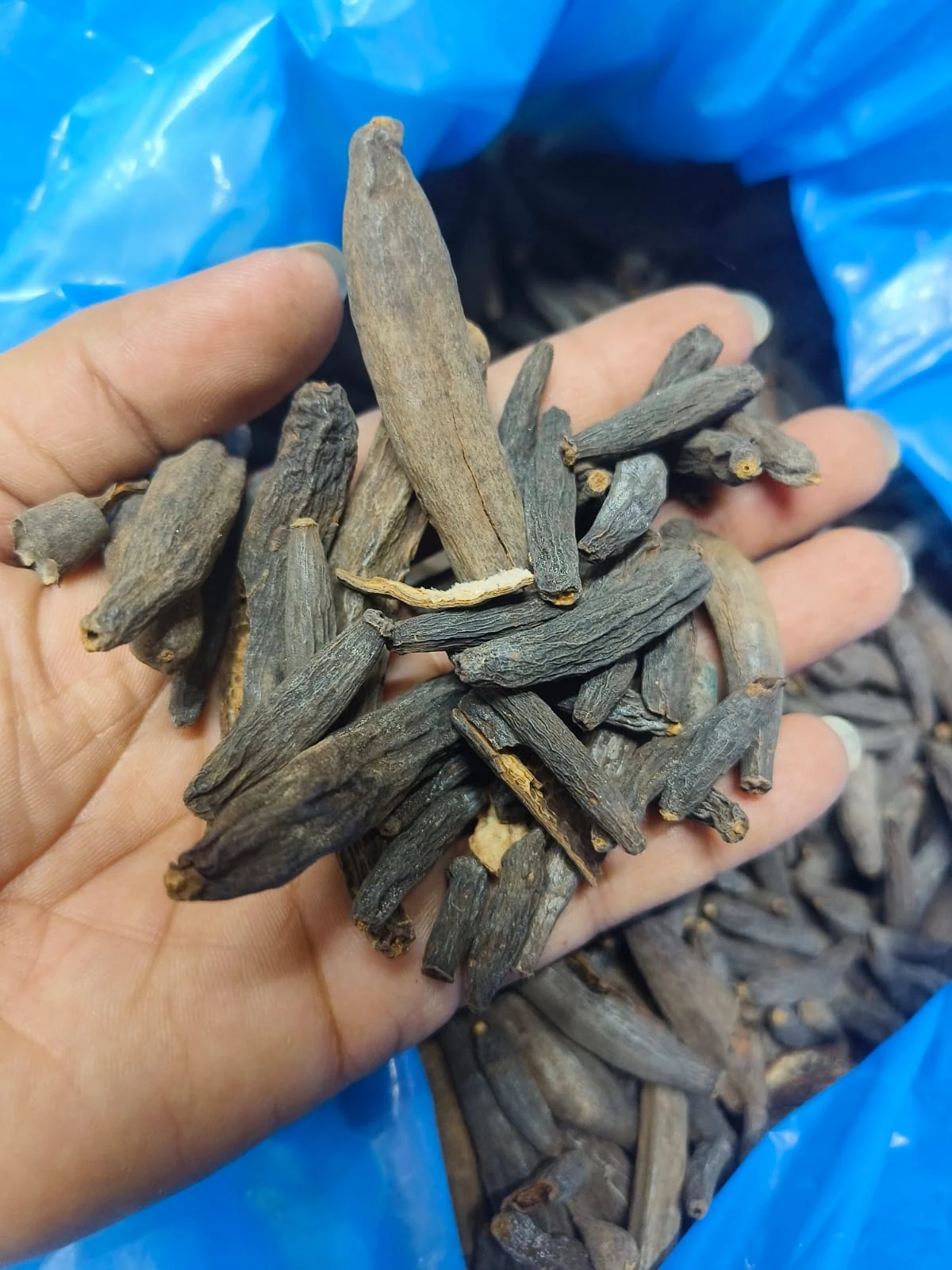
Whole Marathi Moggu generally appears as firm, dried, elongated buds with natural variation in size, shape and colour. Depending on the batch, pieces may range from brown to very dark brown.
Natural variation between buds is expected because this is an agricultural product rather than a manufactured spice piece. A batch may therefore contain shorter and longer buds, slightly curved pieces and differences in surface texture.
Marathi Moggu can visually remind some buyers of an oversized clove, but it is a distinct spice and should not be confused with ordinary clove.
3. Aroma and Flavour
Dry Marathi Moggu may have a comparatively restrained aroma. Its characteristic woody, floral and mildly pungent notes become more noticeable after roasting or frying.
Because the spice can add considerable depth to a masala, it is normally combined with other spices rather than used as the dominant flavour in a dish.
4. Culinary Uses
Marathi Moggu is associated with South Indian spice preparations and may be used in dishes such as:
- bisi bele bath and other seasoned rice preparations;
- biryani and pulao spice combinations;
- regional vegetable curries;
- Chettinad-style masala blends;
- Karnataka-style masala powders;
- other whole-spice mixtures where a deep roasted aroma is desired.
The exact amount depends on the recipe and the strength of the remaining spices in the blend.
5. How to Use Marathi Moggu
Whole-spice tempering
A small quantity can be fried gently in oil or ghee together with other whole spices before the remaining ingredients are added.
Dry roasting
For masala powders, the buds may be dry-roasted with the other spices and then ground as part of the blend.
Use gradually
When using Marathi Moggu for the first time, start with the quantity specified by a trusted recipe rather than adding a large amount. Its character becomes more apparent after heating and grinding.
Do not judge the spice only by how strongly it smells when raw; the aroma normally develops more clearly during cooking.
6. Quality and Buying Checks
When inspecting whole Marathi Moggu, look for material that is properly dried and free from obvious moisture damage.
Useful visual checks include:
- buds should generally feel dry rather than damp or soft;
- natural brown-to-dark-brown colour variation is normal;
- minor variation in bud size is expected;
- avoid material showing visible mould or abnormal moisture;
- the product should be stored away from strong external odours.
Real-stock photographs can be especially useful when buying an unfamiliar whole spice because they show the actual shape, size variation and appearance of the material being supplied.
7. Storage
Store Marathi Moggu in a tightly closed container in a cool, dry location away from direct sunlight and moisture.
Whole buds generally retain their character better than material that has already been ground. If the recipe requires a powder, grinding the required quantity close to cooking time can help preserve aroma.
Always use a clean, dry spoon or hand when removing the spice from its storage container.
8. A Note on Botanical Naming
Botanical naming for Marathi Moggu is not completely consistent across Indian trade and reference sources. Some references identify the culinary dried bud with Bombax ceiba, while some commercial sources use Ceiba pentandra.
For this reason, this guide identifies the material primarily by its established trade identity — Marathi Moggu / Kapok Buds — together with its physical form and culinary use, rather than relying on a botanical name alone.
9. Frequently Asked Questions
Is Marathi Moggu the same as clove?
No. The dried buds may look somewhat clove-like, but Marathi Moggu and ordinary clove are different spices.
Can Marathi Moggu be used directly without roasting?
Traditional culinary use commonly involves frying or roasting the buds so that their aroma develops before or during preparation.
Why does raw Marathi Moggu have only a mild smell?
The spice develops more of its characteristic aroma when heated, so the dry buds can smell less intense than expected.
Is variation in size and colour normal?
Yes. Whole dried buds are agricultural material, so moderate variation in size, shape, surface texture and brown colour is normal between pieces and batches.
How should Marathi Moggu be stored?
Keep it airtight, dry and protected from direct sunlight, humidity and strong external odours.