- Stock: In Stock
- SKU: HERB000022
- Shipping: Free within India upto 10KG
- Quality: Premium Herbs with No Adulteration
- Delivery: Within 3 to 7 Working Days in India
- Shipping: From Delhi based Facility
- Transport Charges for 25KG and above: Extra on To Pay
- COD Available: Max Limit: 2 Kg and Rs 3500 per order
- Discount on Prepaid Orders: Rs 50/- off. Auto Apply on Checkout.
Available Options
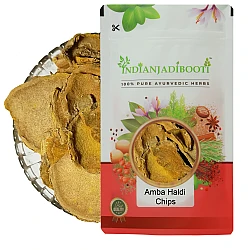
Mango Ginger, alternatively known as Manga Inchi, is a potent spice recognized in Ayurveda for addressing various health concerns. Although it resembles regular ginger with its irregularly branched rhizomes and white flesh, Mango Ginger is distinct from both ginger and mango. It carries the sweet, rich flavor of raw mango. Despite its name, Mango Ginger is neither related to mango nor ginger. Instead, it belongs to the same family as Turmeric, albeit with a pale yellow core rather than turmeric's bright yellow tissue.
Historical and Regional Names
This spice has a deep-rooted history in India, with different regional names reflecting its widespread use. It is called amaada in Bengal and amba haldar in Gujarat. In Malayalam, it is referred to as manga inchi.
Cultivation in India
Mango Ginger is extensively cultivated in Indian states such as Gujarat, West Bengal, Uttar Pradesh, Karnataka, and Tamil Nadu. It is typically planted in April and harvested within seven to eight months.
Health Benefits According to Ayurveda
Ayurveda highlights several therapeutic properties of Mango Ginger, utilizing it mainly for digestive issues. It is known for its antibacterial, antifungal, anti-inflammatory, and antioxidant properties, and it helps in balancing all three doshas, especially Pitta dosha.
Digestive Health
A key application of Mango Ginger is in treating digestive problems. It contains enterokinase, an enzyme that aids in protein digestion, relieves gas, and stimulates appetite.
Respiratory Health
Mango Ginger is beneficial for respiratory issues such as bronchitis and asthma, thanks to its expectorant and analgesic properties. It also helps alleviate cold and cough symptoms.
Skin Health
With its robust antioxidant and antimicrobial properties, Mango Ginger detoxifies the body, making it effective for skin issues like acne and itching.
Anti-Inflammatory Uses
The anti-inflammatory qualities of Mango Ginger make it useful in treating joint swelling due to arthritis and rheumatism. It also provides relief from swelling caused by injuries, sprains, and bruises.
Hair and Scalp Health
In Ayurveda, Mango Ginger is applied to combat dandruff due to its antimicrobial and antifungal properties. A paste made from Mango Ginger can help eliminate dandruff and lice when applied to the scalp and hair.
Medicinal and Culinary Uses
Medicinal Applications
-
Indigestion and Appetite: Combine Mango Ginger with buttermilk.
-
Pain Relief: Massage with Mango Ginger mixed with sesame oil.
-
Cough and Cold: Mix Mango Ginger with honey.
-
Skin Conditions: Apply Mango Ginger with rose water.
Culinary Uses
-
Pickles, Chutneys, Sauces, and Candies: Mango Ginger can be used to prepare various condiments.
-
Raw Consumption: It can be eaten raw or used as a seasoning for meat and vegetables.
-
Palate Cleanser: Cut Mango Ginger into small pieces and mix with salt and lemon juice.
-
Appetite Stimulation: Chew on its rhizomes.
Recipes Featuring Mango Ginger
Mango Ginger Dressing
A delightful dressing that complements salads and sandwiches.
Ingredients:
-
2 tbsp mango ginger, grated
-
2 cloves garlic
-
Quarter cup cold-pressed sunflower oil
-
2 tbsp honey
-
Juice of 2 limes
-
1 small green chilli, chopped (optional)
-
Half tsp black pepper
-
Half tsp salt
Instructions:
-
Blend all ingredients until thick and creamy.
-
Transfer to an airtight jar and refrigerate.
-
Shake well before use. Use one tablespoon per portion of salad.
Mango Ginger and Turmeric Instant Pickle
A quick pickle that can be used in various dishes.
Ingredients:
-
100g mango ginger
-
50g fresh turmeric roots
-
3 green chillies
-
4 limes/lemons
-
2 tbsp pink Himalayan salt
Instructions:
-
Wash and dry the mango ginger and turmeric roots.
-
Slice thinly into 1-inch-long juliennes.
-
Combine with slit green chillies, lime peel, and salt in a bowl.
-
Add lime juice and mix.
-
Store in a clean, dry glass jar. Consume within five to six days.
-
Indigestion and Appetite: Combine Mango Ginger with buttermilk.
-
Pain Relief: Massage with Mango Ginger mixed with sesame oil.
-
Cough and Cold: Mix Mango Ginger with honey.
-
Skin Conditions: Apply Mango Ginger with rose water.
Culinary Uses
-
Pickles, Chutneys, Sauces, and Candies: Mango Ginger can be used to prepare various condiments.
-
Raw Consumption: It can be eaten raw or used as a seasoning for meat and vegetables.
-
Palate Cleanser: Cut Mango Ginger into small pieces and mix with salt and lemon juice.
-
Appetite Stimulation: Chew on its rhizomes.
Recipes Featuring Mango Ginger
Mango Ginger Dressing
A delightful dressing that complements salads and sandwiches.
Ingredients:
-
2 tbsp mango ginger, grated
-
2 cloves garlic
-
Quarter cup cold-pressed sunflower oil
-
2 tbsp honey
-
Juice of 2 limes
-
1 small green chilli, chopped (optional)
-
Half tsp black pepper
-
Half tsp salt
Instructions:
-
Blend all ingredients until thick and creamy.
-
Transfer to an airtight jar and refrigerate.
-
Shake well before use. Use one tablespoon per portion of salad.
Mango Ginger and Turmeric Instant Pickle
A quick pickle that can be used in various dishes.
Ingredients:
-
100g mango ginger
-
50g fresh turmeric roots
-
3 green chillies
-
4 limes/lemons
-
2 tbsp pink Himalayan salt
Instructions:
-
Wash and dry the mango ginger and turmeric roots.
-
Slice thinly into 1-inch-long juliennes.
-
Combine with slit green chillies, lime peel, and salt in a bowl.
-
Add lime juice and mix.
-
Store in a clean, dry glass jar. Consume within five to six days.
Other Names: Aam Aadaa, Mango Ginger, Mango Turmeric, Gingembre mangue, Safranwurz, Aambaa Haldar, Amba Haldi, Ama Haldi, Kapoorhaldi, Ban Haldi, Ambarasini, Huli Arseen, Curcuma amada, Aambe Halad, Ambaa Halad, Darchob, Ambiya Haldi, Karpura-haridra, Termeric, Amahaldi, Amiya Haldi, Aami Haldi, Turmaric, Gandhmul,
Want to learn more? Read our Complete Traditional Guides:
100% Customers recommend this product
-
5 Awesome100%
-
4 Great0%
-
3 Average0%
-
2 Bad0%
-
1 Poor0%
Reviews Over Amba Haldi Roots (Powder) - Aama Haldi Churna - Kasturi Haldi - Curcuma Amada - Wild Turmeric Powder - Manga Inchi - Curcuma Aromatica - Yellow Zedoary - Kasthuri Manjal by IndianJadiBooti
- (5)
Total Reviews (14)
click here write review to add review for this product.
-
(0)
-
(0)
-
(0)
-
(0)
-
(0)
Report this review.

-
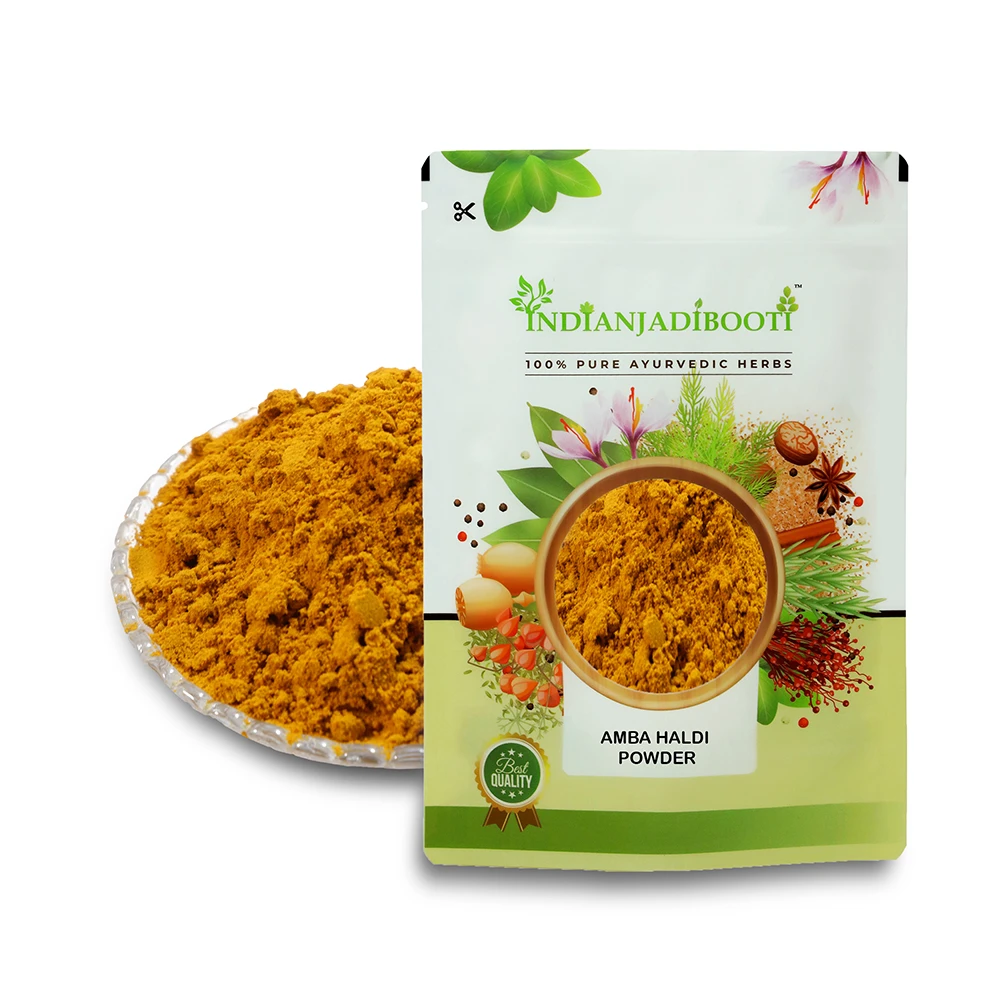
Amba Haldi, or mango ginger is a rhizomatous plant from the Zingiberaceae family, known for its unique aroma resembling raw mango. Native to India, this vibrant yellow-orange herb has been used in traditional medicine for centuries, offering various health benefits such as anti-inflammatory, antioxidant, and digestive support.
Respiratory Health: Eases Respiratory symptoms due to its anti-inflammatory and decongestant properties.
Wound Healing: Accelerates healing of cuts and burns, preventing infections with its antimicrobial effects.
Immunity Booster: Strengthens the immune system, helping to fend off infections.
Blood Sugar Regulation: May assist in managing blood sugar levels, beneficial for those with Blood Sugar problems

Antioxidant Properties
Amba Haldi Powder is rich in antioxidants, which help neutralize free radicals in the body. This can protect cells from oxidative stress, potentially reducing the risk of chronic diseases and supporting overall health. Read More

Digestive Health Support
It acts as a digestive aid by stimulating the secretion of digestive enzymes and bile. This can help alleviate issues like bloating, indigestion, and flatulence, promoting smoother digestive processes.

Antimicrobial and Antifungal Effects
Amba Haldi possesses natural antimicrobial and antifungal properties. This makes it effective in treating minor skin infections, wounds, and preventing the growth of certain bacteria and fungi when applied topically.

Skin Health Enhancement
Used in skincare, Amba Haldi can improve skin texture and complexion. Its anti-inflammatory and antioxidant properties help in reducing acne, blemishes, and signs of aging, promoting a healthier and more radiant skin appearance.

For Inflammation and Joint Pain
Topical Application: Make a paste by mixing Amba Haldi powder with water or coconut oil. Apply this paste to the affected areas for relief from joint pain, swelling, and inflammation.
Oral Consumption: Take a small amount (about 1/4 tsp) of Amba Haldi powder with warm water or milk, once or twice a day, to reduce inflammation from within. You can also use it in soups or herbal teas.

For Skin Care
Face Mask: Mix Amba Haldi powder with yogurt, honey, or rose water to form a paste. Apply this to the face and leave it on for 15-20 minutes, then rinse off with lukewarm water. This helps reduce acne, blemishes, and improves skin tone.
Wound Healing: Apply a paste made with Amba Haldi and a little water or antiseptic ointment directly to cuts, wounds, or insect bites to promote healing.
For Digestive Health
Add ½ teaspoon of Amba Haldi powder to warm milk.
You can also add a pinch of black pepper for better absorption.
Drink this once daily to help strengthen immunity, especially during the cold and flu season.
3–7 Business Days
Orders up 2 KG or ₹3500
25kg+ shipped via transport
Custom duties may apply
Custom Clearance is Customer's Responsibility