
Blog → Ashwagandha Guides → Ashwagandha Root Sabut vs Powder
Ashwagandha Root (Sabut) vs Powder: Traditional Ayurvedic Uses, Strength, Absorption & Body Nourishment
Ashwagandha is one of Ayurveda’s most respected Rasayana herbs, traditionally used for strength, vitality, Vata balance, body nourishment, stress resilience, sleep support, and long-term wellness. But when choosing ashwagandha, many people ask an important question: should you use Ashwagandha Root Sabut or Ashwagandha Powder?
Both forms come from the same plant, Withania somnifera, but they are used differently. Sabut ashwagandha root is the whole dried root, traditionally valued for decoctions, slow simmered milk preparations, herbal boiling methods, and those who prefer a less processed form. Ashwagandha powder is the finely ground form, more convenient for daily use, warm milk, honey mixtures, capsules, smoothies, and modern wellness routines.
This detailed guide compares ashwagandha root vs powder from an Ayurvedic and practical perspective. You will learn their traditional uses, strength, absorption, preparation methods, body nourishment qualities, best users, dosage considerations, timing, safety, side effects, and how to choose the right form for your wellness goals.
Quick Answer: Is Ashwagandha Root or Powder Better?
Ashwagandha root sabut is better for people who prefer traditional Ayurvedic preparations such as decoction, milk boiling, slow extraction, and whole-root use. Ashwagandha powder is better for convenience, daily routine, easy mixing, faster preparation, and flexible serving sizes.
In Ayurveda, the “better” form depends on the person, goal, digestion, routine, and preparation method. Whole root feels closer to traditional herbal processing, while powder is easier to consume and more practical for modern lifestyles. For body nourishment, both can be useful when prepared properly with suitable carriers such as warm milk, ghee, honey, or food.
| Comparison Point | Ashwagandha Root Sabut | Ashwagandha Powder |
|---|---|---|
| Best for | Traditional decoction, milk boiling, slow preparation. | Daily use, quick mixing, warm milk, capsules, smoothies. |
| Convenience | Requires boiling, crushing, or simmering. | Easy and quick to use. |
| Traditional feel | More classical and whole-herb oriented. | Traditional too, but more processed and convenient. |
| Absorption style | Depends on extraction by boiling or simmering. | Direct ingestion; depends on digestion and carrier. |
Explore the Complete Ashwagandha Knowledge Hub
Want to learn more about Ashwagandha benefits, testosterone support, stress management, muscle recovery, Ayurvedic usage, dosage, and traditional wellness applications?
Table of Contents
- Quick Answer: Is Ashwagandha Root or Powder Better?
- What Is Ashwagandha Root Sabut?
- What Is Ashwagandha Powder?
- Ayurvedic Perspective: Whole Root, Powder and Rasayana Use
- Traditional Ayurvedic Uses
- Strength, Absorption and Preparation Differences
- Body Nourishment and Vata Balance
- How to Use Ashwagandha Root Sabut
- How to Use Ashwagandha Powder
- Which Form Should You Choose?
- Comparison and Recommendation Tables
- Safety, Side Effects and Who Should Avoid It
- Related Guides
- Government and Library References
- FAQ
- Final Verdict
What Is Ashwagandha Root Sabut?
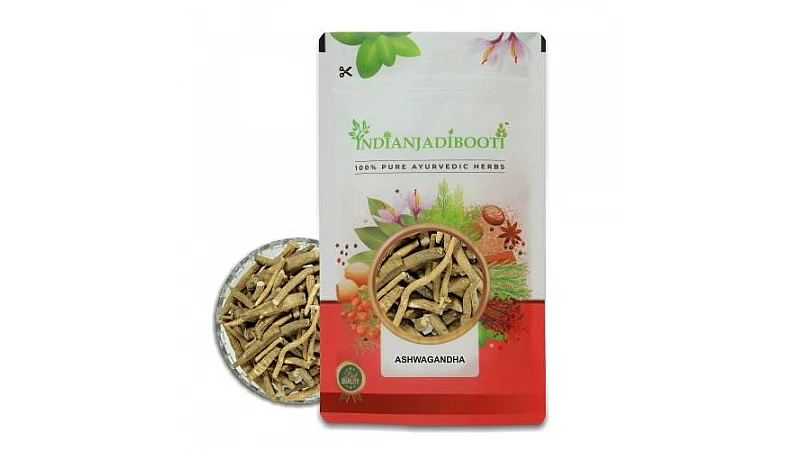
Ashwagandha Root Sabut refers to whole dried pieces of the ashwagandha root. “Sabut” means whole or unbroken in common Indian usage. This form is close to the traditional raw herb form and is often preferred by people who like preparing herbs through slow boiling, decoction, milk simmering, or classical-style home processing.
Whole root is typically firm, fibrous, pale beige to light brown, and has a distinct earthy smell. Because it is not already ground, it usually requires crushing, breaking, boiling, or simmering to extract its properties into water, milk, or another suitable medium.
Whole root appeals to traditional users because it allows them to visually inspect the herb. They can see the texture, pieces, color, and aroma. This can build confidence for people who prefer whole herbs over fine powders. However, sabut root is less convenient and may not be ideal for people who want a quick daily routine.
| Feature | Ashwagandha Root Sabut |
|---|---|
| Form | Whole dried root pieces. |
| Best preparation | Decoction, milk simmering, slow boiling. |
| Taste and aroma | Earthy, root-like, traditional herbal aroma. |
| Convenience | Lower convenience; needs preparation time. |
What Is Ashwagandha Powder?
Ashwagandha powder is dried ashwagandha root ground into a fine powder. It is the most common form for modern home use because it is easy to mix with warm milk, water, honey, ghee, smoothies, laddoos, herbal blends, or capsules.
Powder is convenient because it does not require boiling or long preparation. A person can measure a small amount and mix it into a suitable carrier. This makes it popular among people using ashwagandha for stress support, sleep routine, strength, recovery, women’s wellness, and daily Ayurvedic nourishment.
The main concern with powder is quality. Since it is finely ground, it is harder to visually inspect the original root. Freshness, aroma, color, purity, storage, and trusted sourcing become very important. A good ashwagandha powder should smell earthy and characteristic, not stale, musty, or artificially scented.
| Feature | Ashwagandha Powder |
|---|---|
| Form | Finely ground root powder. |
| Best preparation | Warm milk, honey, ghee, capsules, smoothies, herbal mixtures. |
| Taste | Earthy, bitter-sweet, slightly astringent. |
| Convenience | High convenience; easy daily use. |
Ayurvedic Perspective: Whole Root, Powder and Rasayana Use
Ayurveda pays attention not only to the herb, but also to its form, preparation, carrier, timing, dose, digestion, and suitability. Ashwagandha is traditionally valued as a Rasayana herb, meaning it is used for rejuvenation, nourishment, strength, vitality, and resilience. It is also associated with Vata balance because it is grounding, strengthening, warming, and supportive for depletion-type patterns.
Sabut root and powder can both be Ayurvedic. The difference lies in how they are prepared. Whole root usually requires extraction through boiling or simmering, while powder can be consumed directly with a suitable carrier. In Ayurvedic thinking, the carrier, or anupana, matters because it helps guide the herb and influence how it feels in the body.
| Ayurvedic Factor | Root Sabut View | Powder View |
|---|---|---|
| Rasayana use | Used in slow traditional preparations. | Used in daily nourishment routines. |
| Vata balance | Good when simmered with milk or warm liquids. | Good when mixed with warm milk, ghee, or honey. |
| Digestive suitability | Boiling may make it easier for some people to take as a strained drink. | Direct powder may feel heavy if digestion is weak. |
| Preparation style | Slow, classical, hands-on. | Quick, flexible, modern-friendly. |
For a deeper Ayurvedic foundation, read ashwagandha in Ayurveda.
Traditional Ayurvedic Uses
Ashwagandha is traditionally used for strength, nourishment, recovery, stress resilience, sleep support, Vata balance, stamina, and vitality. NCBI’s review describes ashwagandha as one of Ayurveda’s important Rasayana herbs and notes its long history in traditional use. NCCIH also describes it as a plant used for thousands of years in traditional Ayurvedic medicine.
Whole root and powder are used for similar goals, but the preparation method changes the experience. Root sabut is often used when the goal is a slow, traditional extract. Powder is used when the goal is convenient daily intake.
| Traditional Goal | Root Sabut Use | Powder Use |
|---|---|---|
| Body nourishment | Simmered in milk for a traditional nourishing drink. | Mixed with warm milk, ghee, or honey. |
| Sleep support | Slow milk decoction in evening routines. | Quick bedtime milk recipe. |
| Strength and recovery | Used in traditional boiled preparations. | Used daily with food, milk, or recovery blends. |
| Stress resilience | Taken as a warm decoction or milk preparation. | Mixed into milk, smoothies, or capsules. |
For bedtime use, see ashwagandha milk recipe for sleep. For a golden milk version, visit ashwagandha golden milk.
Strength, Absorption and Preparation Differences
Many people ask whether ashwagandha root sabut is stronger than powder. The honest answer is: not automatically. Strength depends on root quality, age, storage, plant part, preparation method, serving amount, extraction process, and digestion. A well-prepared root decoction can be effective in a traditional way, while a high-quality powder can be more direct and convenient.
Absorption also depends on preparation. Whole root needs extraction. If it is not properly crushed, boiled, or simmered, the final drink may be weak. Powder does not need extraction in the same way because the whole powdered herb is consumed, but it still needs good digestion and a suitable carrier.
| Factor | Root Sabut | Powder |
|---|---|---|
| Strength control | Controlled by amount, crushing, boiling time, and liquid reduction. | Controlled by measured spoon or capsule amount. |
| Absorption style | Extracted into water or milk, then strained. | Whole powdered herb is consumed directly. |
| Digestive demand | Strained decoction may feel lighter for some people. | May feel heavier if digestion is weak. |
| Consistency | Varies with preparation technique. | Easier to measure consistently. |
If you want precision and convenience, powder is usually easier. If you want a traditional slow preparation, root sabut may be more satisfying. If you have weak digestion, a strained decoction may sometimes feel lighter than swallowing powder, but individual response varies.
Body Nourishment and Vata Balance
Ashwagandha is traditionally known for nourishment. In Ayurveda, this does not only mean weight gain or muscle growth. Nourishment refers to deeper restoration: steadier energy, better recovery, calmer nerves, tissue support, and resilience after depletion.
Body nourishment depends on digestion. If digestion is poor, even nourishing herbs may feel heavy. That is why ashwagandha is often paired with warm milk, ghee, ginger, cardamom, honey, or food depending on the person. The right carrier can make the herb feel more suitable.
| Nourishment Goal | Root Sabut Approach | Powder Approach |
|---|---|---|
| Vata grounding | Simmer root in milk and drink warm. | Mix powder into warm milk with cardamom or ghee. |
| Recovery after stress | Use as evening decoction or milk preparation. | Use with milk or food after a long day. |
| Strength support | Traditional boiled preparation with nourishing diet. | Daily powder routine with protein-rich meals and sleep. |
| Sleep routine | Root milk decoction before bed. | Fast bedtime ashwagandha milk. |
For Vata support, a warm, regular routine matters as much as the herb. Warm meals, oil massage, consistent sleep, reduced overstimulation, and gentle movement can strengthen the effect of ashwagandha-based nourishment.
How to Use Ashwagandha Root Sabut
Ashwagandha root sabut is best used when you are willing to prepare it slowly. Because it is a whole root, simply soaking it briefly may not extract enough of the herb. Crushing and simmering are usually better.
Simple Ashwagandha Root Decoction
| Step | Method |
|---|---|
| 1 | Take a small piece of dried ashwagandha root and rinse quickly if needed. |
| 2 | Crush lightly with a mortar or break into smaller pieces. |
| 3 | Add to 1.5 to 2 cups water. |
| 4 | Simmer gently until reduced. |
| 5 | Strain and drink warm, optionally with honey after cooling slightly. |
Ashwagandha Root Milk Preparation
For a nourishing Vata-supportive drink, simmer crushed root in milk or milk diluted with water. Strain before drinking. This method is slower than powder but gives a traditional feel and is especially suitable for people who enjoy preparing herbs by hand.
- Use low heat rather than aggressive boiling.
- Crush the root before simmering for better extraction.
- Strain well before drinking.
- Add honey only after cooling slightly.
- Avoid heavy milk preparations if digestion is weak.
How to Use Ashwagandha Powder
Ashwagandha powder is the easiest form for daily use. It can be mixed into warm milk, honey, ghee, smoothies, herbal drinks, or food. Because it is consumed directly, the serving should be modest and suited to digestion.
Ashwagandha Powder with Warm Milk
- Warm 1 cup milk on low flame.
- Let it cool slightly to a comfortably warm temperature.
- Add 1/4 teaspoon ashwagandha powder to start.
- Whisk well until smooth.
- Add cardamom, ghee, or honey if suitable.
- Drink warm, preferably in a calm setting.
Ashwagandha Powder with Honey
A small amount of powder may be mixed with honey for taste balance. This is convenient but may not be suitable for everyone. People with heat sensitivity, blood sugar concerns, or strong Pitta patterns should be careful with sweeteners and dose.
Ashwagandha Powder in Capsules
Capsules are convenient for people who dislike the taste. However, capsules can make it easier to take ashwagandha without paying attention to digestion and suitability. Always follow product label instructions and do not combine multiple ashwagandha products casually.
| Powder Method | Best For | Note |
|---|---|---|
| Warm milk | Sleep, Vata balance, nourishment. | Best traditional-style daily option. |
| Honey mixture | Taste balancing and quick use. | Use modestly and avoid overheating honey. |
| Smoothie | Modern wellness routine. | Cold smoothies may not suit Vata digestion. |
| Capsules | Travel and convenience. | Follow label and safety guidance. |
Which Form Should You Choose?
Choose ashwagandha root sabut if you prefer traditional preparation, whole herbs, decoctions, and slow simmered milk. Choose ashwagandha powder if you want convenience, easy measuring, quick recipes, and daily routine flexibility.
For most modern users, powder is more practical. For traditional herbal users, sabut root feels more authentic and ritualistic. For people with sensitive digestion, a strained root decoction may feel lighter than swallowing powder, but this varies by person.
| Choose This Form | If You Want | Avoid If |
|---|---|---|
| Root Sabut | Traditional decoction, whole herb inspection, slow preparation. | You need quick daily use or dislike boiling herbs. |
| Powder | Convenience, warm milk recipes, easy measuring, travel use. | You cannot tolerate the taste or powder feels heavy. |
The best form is the one you can use correctly, consistently, safely, and in alignment with your digestion and wellness goal.
Comparison and Recommendation Tables
Root Sabut vs Powder: Detailed Comparison
| Feature | Root Sabut | Powder |
|---|---|---|
| Processing | Whole dried root pieces. | Ground dried root. |
| Traditional feel | Very high. | High, but more modern-friendly. |
| Preparation time | Longer. | Shorter. |
| Best carrier | Water or milk for boiling. | Milk, ghee, honey, food, capsules. |
| Best user | Traditional home herbal users. | Busy daily wellness users. |
Goal-Based Recommendation Table
| Goal | Better Form | Why |
|---|---|---|
| Quick daily use | Powder | Easy to mix and measure. |
| Traditional decoction | Root Sabut | Designed for boiling and slow extraction. |
| Bedtime milk | Powder | Faster and smoother for nightly routine. |
| Whole herb preference | Root Sabut | Visible root pieces allow inspection. |
| Travel convenience | Powder or capsule | Portable and easy to use. |
Timing Table
| Time | Best Form | Best Goal |
|---|---|---|
| Morning | Powder with food or milk | Daily strength and resilience. |
| Afternoon | Light powder drink | Stress support without heavy bedtime milk. |
| Evening | Powder milk or root milk decoction | Vata balance, sleep routine, relaxation. |
Safety, Side Effects and Who Should Avoid It
Whether you choose root sabut or powder, ashwagandha should be used responsibly. Natural does not automatically mean risk-free. Ashwagandha may cause digestive upset, nausea, loose stools, headache, drowsiness, and rare liver-related concerns. It may also affect thyroid function and may interact with thyroid hormone medicines, sedatives, diabetes medicines, blood pressure medicines, anticonvulsants, and immune-suppressing medicines.
Ashwagandha is generally not recommended during pregnancy or breastfeeding. People with thyroid disorders, autoimmune conditions, liver disease, upcoming surgery, or ongoing medication use should consult a qualified healthcare professional before using either ashwagandha root or powder.
| Who Should Avoid or Use Only With Guidance? | Reason for Caution |
|---|---|
| Pregnant people | Ashwagandha is generally not recommended during pregnancy. |
| Breastfeeding people | Safety data is insufficient, so avoidance is generally advised. |
| People with thyroid disorders | Ashwagandha may affect thyroid function and thyroid medication needs. |
| People with autoimmune disorders | Immune-sensitive conditions require caution. |
| People with liver disease | Rare liver-related safety concerns have been reported. |
| People taking sedatives or sleep medication | Ashwagandha may increase drowsiness. |
| People taking diabetes, blood pressure, thyroid, or immune medications | Possible interaction concerns require professional review. |
Possible Side Effects
| Side Effect | What It May Feel Like | What to Do |
|---|---|---|
| Digestive upset | Nausea, loose stools, heaviness, stomach discomfort. | Reduce amount, take with food, or stop if symptoms continue. |
| Drowsiness | Sleepiness, grogginess, slower reaction time. | Avoid driving and avoid combining with sedatives. |
| Thyroid overactivity signs | Palpitations, sweating, tremor, heat intolerance, anxiety. | Stop use and consult a healthcare professional promptly. |
| Liver warning signs | Yellow eyes, dark urine, severe itching, unusual fatigue. | Seek medical care immediately. |
For more details, read ashwagandha side effects.
Government and Library References
This article is educational and wellness-focused. It uses government, national library, and clinical reference sources to support safety-sensitive statements while avoiding unsupported medical promises.
| Reference Source | Why It Was Used |
|---|---|
| National Center for Complementary and Integrative Health: Ashwagandha | Traditional Ayurvedic background, short-term safety, thyroid and autoimmune caution, pregnancy and breastfeeding caution. |
| NIH Office of Dietary Supplements: Ashwagandha Fact Sheet | Safety, side effects, thyroid function caution, medication interactions, and long-term safety limitations. |
| NCBI / PubMed Central: An Overview on Ashwagandha: A Rasayana of Ayurveda | Rasayana context, traditional Ayurvedic positioning, and herb background. |
| Merck Manual Professional Edition: Ashwagandha | Medication interaction and safety overview for modern supplement use. |
FAQ: Ashwagandha Root Sabut vs Powder
1. Is ashwagandha root sabut better than powder?
Not always. Root sabut is better for traditional decoctions and slow simmered preparations. Powder is better for convenience, daily use, and quick recipes. The best form depends on your goal and preparation style.
2. Is ashwagandha powder stronger than whole root?
Powder may feel stronger because the whole powdered herb is consumed directly, while root sabut must be extracted through boiling or simmering. However, actual strength depends on quality, dose, preparation, and digestion.
3. How do you use ashwagandha root sabut?
Crush the root lightly, simmer it in water or milk, reduce the liquid, strain, and drink warm. It is commonly used in decoctions and traditional milk preparations.
4. How do you use ashwagandha powder?
Ashwagandha powder can be mixed with warm milk, honey, ghee, food, or smoothies. For beginners, a small amount such as 1/4 teaspoon is a practical starting point.
5. Which form is better for sleep?
Powder is usually easier for bedtime milk because it mixes quickly. Root sabut can also be used if simmered slowly in milk and strained before drinking.
6. Which form is better for body nourishment?
Both can support body nourishment when used properly. Powder with warm milk is practical for daily nourishment, while root sabut milk decoction feels more traditional and ritualistic.
7. Can ashwagandha powder be taken daily?
Some people use it daily for short periods, but long-term use should be thoughtful. People with health conditions or medication use should consult a healthcare professional.
8. Can I grind sabut ashwagandha root at home?
Whole root is hard and fibrous, so grinding at home may be difficult without suitable equipment. It is often easier to crush it for decoction rather than grind it into fine powder.
9. Who should avoid ashwagandha root or powder?
Pregnant or breastfeeding people, people with thyroid disorders, autoimmune disease, liver disease, or those taking thyroid medication, sedatives, diabetes medication, blood pressure medication, anticonvulsants, or immunosuppressants should avoid or use only with professional guidance.
10. Is sabut root more natural than powder?
Sabut root is less processed because it remains in whole root pieces. Powder is processed by grinding the root. Both can be natural if they are pure, clean, properly stored, and sourced well.
11. Which form is better for weak digestion?
Some people with weak digestion may prefer a strained root decoction because they are not swallowing the full powder. Others may tolerate a small amount of powder with warm milk. Individual response matters.
12. Can I use both root and powder together?
It is usually unnecessary to use both together. Combining forms may increase total intake and side effect risk. Choose one form and use it moderately.
Final Verdict: Ashwagandha Root Sabut vs Powder
Ashwagandha root sabut and ashwagandha powder both hold value in Ayurvedic wellness. Root sabut is ideal for people who enjoy traditional preparations, slow decoctions, whole herb inspection, and milk simmering rituals. Powder is ideal for people who want convenience, easy daily use, quick bedtime milk, honey mixtures, capsules, and flexible routines.
If you want a classical experience, choose root sabut. If you want practical daily use, choose powder. If you want body nourishment, Vata balance, sleep support, and steady restoration, either form can be useful when prepared correctly with the right carrier and used in moderation.
The most important factor is not only the form, but the suitability. Ashwagandha should match your digestion, constitution, routine, health status, and medications. Use it thoughtfully, avoid excessive intake, and seek professional guidance if you are pregnant, breastfeeding, have thyroid or autoimmune conditions, liver concerns, or take daily medication.
To continue learning, explore the Ultimate Ashwagandha Guide, then read ashwagandha with milk, ashwagandha dosage guide, and ashwagandha side effects.