
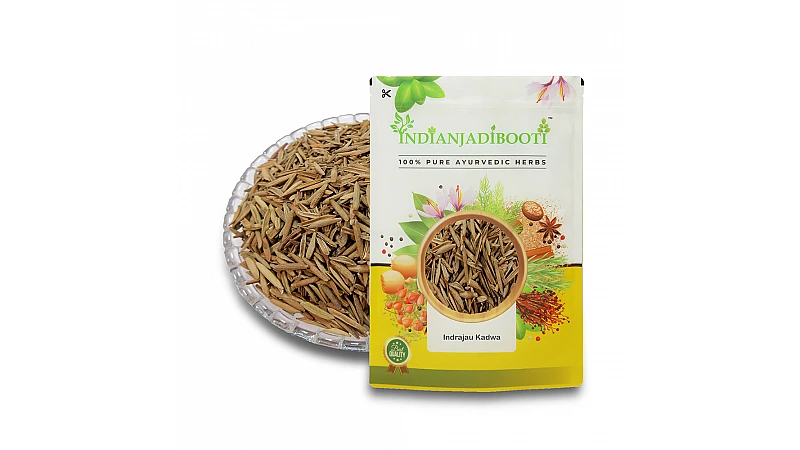
Indrajau Kadwa: Health Benefits and Uses
Indrajau Kadwa (Indra Jau) is a traditional medicinal plant widely used in Ayurvedic treatments for various ailments. Its botanical name is "Hordeum vulgare," and it is also known as "Kadwa Jau." This plant is predominantly found in Northern India and is valued for its therapeutic properties. The seeds of Indrajau Kadwa contain natural antioxidants, fiber, and other nutrients, making it beneficial for health. It is believed to aid in managing diabetes, digestive issues, and weight control.
What is Indra Jau Kadva? (Kutaja)
Indra Jau Kadva is a type of Indra Jau utilized extensively in Ayurveda. This traditional medicinal grain, scientifically known as "Hordeum vulgare," has a bitter taste, hence its alternative name "bitter Indra Jau." Indra Jau Kadva contains various nutrients such as fiber, protein, vitamins, and minerals, making it highly beneficial for health.
According to Ayurvedic principles, Indra Jau Kadva helps balance the body's vata, pitta, and kapha doshas. It is particularly advantageous for individuals with diabetes as it regulates blood sugar levels. Additionally, it strengthens the digestive system, reduces appetite, and aids in weight management. Its antioxidant properties also contribute to enhancing the body's immune system.
Indra Jau Kadva is used in traditional Ayurvedic medicine to treat various ailments and can be incorporated into a health-promoting diet.
Names of Indrajau Kadwa in Various Indian Languages
Indrajau Kadwa, known as "Bitter Indra Jau" in English, has different names across Indian languages. These names typically vary based on local dialects and regions. Here are the names of Indrajau Kadwa in some major Indian languages:
- Hindi: Indra Jau Kadwa
- Sanskrit: Kashaya Jau (Kashaya means bitter)
- Marathi: Kadavya Jwari
- Gujarati: Kadvo Jwar
- Bengali: Koshay Jo
- Tamil: Kadva Sadham
- Telugu: Kadavu Jonna
- Kannada: Kadu Jo
- Urdu: Kadwa Jo
- Punjabi: Kadwa Jau
These names indicate that Indrajau Kadwa is a significant plant across various languages and cultures in the Indian subcontinent, particularly valued for its use in treating diabetes and other health issues.
9 Benefits of Indra Jau Kadwa | Indrajau Kadwa Advantages
Blood Sugar Control
Indra Jau Kadwa is considered highly effective in managing blood sugar levels. It contains a high amount of soluble fiber, which slows down the absorption of sugar in the digestive system. As sugar enters the bloodstream gradually, blood sugar levels remain stable, preventing diabetic patients from experiencing sudden spikes or drops in sugar levels. Additionally, Indra Jau Kadwa contains a fiber called beta-glucan, which helps increase insulin sensitivity.
It enhances the effect of insulin and ensures better utilization of sugar in the body. Regular consumption of Indra Jau Kadwa helps diabetic patients control their blood sugar levels, thereby reducing the risk of long-term complications.
Indra Jau plays a crucial role in enhancing insulin sensitivity.
Insulin is a hormone necessary for controlling blood sugar in the body. Diabetic patients often experience reduced insulin sensitivity, known as "insulin resistance." In this condition, body cells don't respond properly to insulin signals, leading to increased blood sugar levels.
Components like beta-glucan found in Indra Jau improve insulin efficiency. This fiber-rich element slows down glucose absorption in the body, causing a gradual increase in blood sugar levels. This process makes the body more responsive to insulin, allowing cells to utilize glucose more effectively.
Improved insulin sensitivity means the body requires less insulin to control blood sugar. This reduces stress on the pancreas and maintains long-term insulin production. Regular consumption of Indra Jau helps reduce insulin resistance, making blood sugar management easier for diabetic patients.
This property is beneficial not only for diabetics but also for those in a prediabetic state or at risk of developing diabetes in the future.
Indra Jau is Rich in Fiber
Indra Jau is a grain high in fiber content, offering significant benefits for the digestive system. It contains abundant amounts of both soluble and insoluble fiber. Soluble fiber, such as beta-glucan, helps regulate blood sugar levels by slowing down the digestion process. This type of fiber keeps food in the stomach longer, which reduces sugar absorption and prevents sudden spikes in blood glucose.
Insoluble fiber aids in maintaining a clean digestive tract, helping to alleviate issues like constipation. It promotes bowel movement and creates a favorable environment for the growth of healthy bacteria in the digestive system.
Regular consumption of fiber-rich foods like Indra Jau helps control hunger, making a person feel satisfied for longer periods. This also assists in weight management, which in turn reduces the risk of diseases such as diabetes and heart conditions.
Helpful for Weight Loss
Bitter Indra Jau plays a significant role in weight management, particularly for individuals dealing with diabetes or obesity. Its high fiber content, especially soluble fiber, helps maintain a feeling of fullness for extended periods. When consumed, this fiber absorbs water, forming a gel-like substance that slows digestion and controls hunger.
As a result, people experience reduced cravings, leading to lower calorie intake and better weight control. Additionally, bitter Indra Jau has a low glycemic index (GI), meaning it gradually increases blood sugar levels. This helps prevent sugar spikes and subsequent cravings.
Regular consumption of bitter Indra Jau for weight management supports a healthy lifestyle and reduces the risk of related conditions such as heart disease and type 2 diabetes.
Cholesterol Control
Bitter indrajau plays a crucial role in regulating cholesterol levels, which helps maintain better heart health. The soluble fiber found in it, especially beta-glucan, is effective in reducing cholesterol. Beta-glucan binds to bile acids in the intestines, preventing their absorption. Bile acids are produced in the liver from cholesterol, and when they are eliminated from the body, the liver must use more cholesterol to create new bile acids. This process lowers the level of harmful cholesterol (LDL) in the body.
Moreover, antioxidants and other plant compounds found in bitter indrajau, such as tocols, also prevent cholesterol oxidation, reducing the risk of plaque formation in arteries. This helps keep arteries healthy and flexible, decreasing the risk of heart diseases.
Regular consumption of bitter indrajau not only helps reduce bad cholesterol (LDL) but also aids in increasing good cholesterol (HDL) levels, leading to overall improvement in heart health.
Digestive System Improvement
Bitter Indra Jau significantly benefits the digestive system due to its high fiber content, which aids in smooth digestion. It contains both soluble and insoluble fibers. Soluble fiber, such as beta-glucan, forms a gel-like substance in the intestines, slowing food digestion and enhancing nutrient absorption.
This fiber helps maintain a feeling of fullness for extended periods, controlling hunger and reducing overeating tendencies. Insoluble fiber, on the other hand, promotes intestinal movement, facilitating easier passage of stool through the intestines. This provides relief from constipation and improves intestinal health.
Additionally, bitter Indra Jau possesses prebiotic properties that encourage the growth of beneficial bacteria in the intestines. This maintains a balanced gut microbiome, potentially reducing digestive issues like Irritable Bowel Syndrome (IBS).
Regular consumption of bitter Indra Jau can be an important part of a healthy and balanced diet to improve and maintain digestive health.
Antioxidant Properties
Indra Jau Kadva contains abundant antioxidants that help protect the body from oxidative stress. Oxidative stress occurs when there's an excess of free radicals in the body, which can damage cells and lead to various diseases such as heart problems, cancer, and age-related issues. The antioxidants found in Indra Jau Kadva, particularly phenolic compounds, flavonoids, and tocols, are effective in neutralizing free radicals.
These antioxidants safeguard body cells from damage and assist in cell regeneration, which slows down the aging process and maintains the health of skin, hair, and other organs.
Additionally, antioxidants help reduce inflammation. While inflammation can cause many chronic diseases, consuming Indra Jau Kadva has an anti-inflammatory effect, enhancing the body's overall immune response.
The antioxidant qualities of Indra Jau Kadva not only prevent diseases but also maintain general health. Regular consumption helps reduce the risk of lifestyle-related illnesses and improves long-term health.
Beneficial for the Heart
Regular consumption of bitter Indra Jau (Indra Jau Kadwa) is highly advantageous for heart health. The soluble fiber found in it, particularly beta-glucan, helps reduce bad cholesterol (LDL) levels, which prevents plaque buildup in arteries. When plaque doesn't form in the arteries, blood flow improves, reducing the risk of high blood pressure and heart attacks.
Antioxidants present in bitter Indra Jau, such as phenolic compounds and flavonoids, protect the heart from oxidative stress, a major cause of heart diseases. These antioxidants reduce inflammation and keep blood vessels flexible and healthy.
Additionally, the low glycemic index (GI) of bitter Indra Jau helps maintain blood sugar levels, which also decreases the risk of diabetes-related heart conditions.
Due to its heart benefits, consuming bitter Indra Jau is especially useful for those with heart problems or a family history of heart disease. Regular intake can help maintain a healthy and strong heart, increasing the likelihood of a longer and better life.
Protection Against Excessive Sugar Intake
Consuming bitter Indra Jau helps control the desire for excessive sugar consumption, which is particularly beneficial for those managing diabetes or trying to maintain a healthy weight. The soluble fiber found in Indra Jau, especially beta-glucan, slows down digestion and promotes a feeling of fullness for an extended period. When the stomach feels full, cravings for sugary or unhealthy snacks are reduced.
A key advantage of bitter Indra Jau is its low glycemic index (GI). This means that blood sugar levels rise gradually after eating it, providing the body with a steady supply of energy and helping to avoid sudden sugar crashes. During sugar crashes, the body often demands quick-energy sugary foods, which can lead to weight gain and increase the risk of diabetes.
Furthermore, consuming bitter Indra Jau improves insulin efficiency in the body, helping to maintain stable blood sugar levels and prevent excessive sugar intake. This is particularly advantageous for individuals with a sweet tooth or those who struggle to control their blood sugar levels.
How to Use Bitter Indrajav?
Bitter Indrajav can be utilized in various ways to fully benefit from its medicinal properties. It is used both as a food and medicine.
Boiling in Water: Create a decoction by boiling Bitter Indrajav seeds in water. Use 1-2 tablespoons of seeds in 2 cups of water. Boil until the water reduces by half. Strain and drink. This decoction helps control blood sugar, improve digestion, and aid in weight loss.
As a Powder: Dry and grind Bitter Indrajav seeds into a powder. Consume 1/2 to 1 teaspoon twice daily with warm water or honey. This powder helps balance vata, pitta, and kapha in the body and enhances immunity.
Include in Diet: Add Bitter Indrajav seeds to food. Mix them into porridge, soup, or salad. It's a good source of fiber, improving digestion and providing a feeling of fullness, which helps in weight control.
As Oil: Bitter Indrajav oil is available for skin and hair care. Use this oil to treat inflammation, itching, and other skin issues.
With Other Herbs: Combine it with other Ayurvedic herbs like Ashwagandha or Triphala for enhanced health benefits.
Regular use of Bitter Indrajav is highly beneficial for health, especially for those with diabetes, digestive problems, or weight issues.
Ready to experience these benefits?
Ensure you are getting Veda-Grade, unadulterated botanicals. Explore the raw herbs mentioned in this article below: