
Blog → Ashwagandha → How to Take Ashwagandha Correctly
How to Take Ashwagandha Correctly: Best Time, Dosage, Milk vs Water & Ayurvedic Usage Guide
A practical, deeply researched, Ayurvedic and modern usage guide for choosing the right Ashwagandha timing, dose, carrier, routine, and safety approach without turning a traditional herb into a one-size-fits-all supplement.
Many people buy Ashwagandha powder, capsules, or roots with good intentions, but they feel confused when it is time to actually use it. Should Ashwagandha be taken in the morning or at night? Is Ashwagandha better with milk or water? Can it be taken after food? How much Ashwagandha powder should a beginner start with? Does the dosage change if the goal is sleep, stress support, strength, stamina, or daily wellness?
At IndianJadiBooti, this is one of the most common customer conversations we have. A customer may call after ordering Ashwagandha Powder and say, "I have the packet in my kitchen, but I do not know the correct way to take it." Another customer may have heard from a relative that Ashwagandha should be taken only with milk, while someone else has seen online videos recommending water, honey, ghee, smoothies, tea, or capsules. This guide is written for that exact confusion.
The responsible answer is that there is no single perfect method for every person. For a wider overview of benefits and precautions, start with the Ultimate Ashwagandha Guide. The correct way to take Ashwagandha depends on your goal, digestion, body constitution, sleep pattern, daily routine, product form, dose, safety profile, and whether you are using it as traditional root powder, whole root, capsule, or standardized extract. Government and medical reference sources describe Ashwagandha as a herb used in Ayurveda and studied for stress, sleep, and other wellness outcomes, but they also highlight that long-term safety is not fully established and that some people should avoid it or seek medical guidance. NIH Office of Dietary Supplements NCCIH Ashwagandha overview
This article focuses on correct usage, not exaggerated claims. Ashwagandha should not be presented as a cure for anxiety, insomnia, thyroid disease, infertility, depression, chronic fatigue, hormonal disorders, liver disease, autoimmune illness, or any diagnosed condition. It can be used as a traditional wellness herb by suitable adults, but the best results usually come from a consistent, moderate, and personalized routine.
Explore the Complete Ashwagandha Knowledge Hub
Want to learn more about Ashwagandha benefits, testosterone support, stress management, muscle recovery, Ayurvedic usage, dosage, and traditional wellness applications?
Ashwagandha Correct Use, Timing & Dosage Cluster
This guide is a central usage article in the Ashwagandha cluster. These related guides help readers move from correct beginner use into daily-use safety, timing, milk-vs-water choice, results expectations, product forms and safety exclusions:
• Ultimate Ashwagandha Guide
• Best Time to Take Ashwagandha
• Ashwagandha with Milk vs Water
• Can I Take Ashwagandha Daily?
• How Long Does Ashwagandha Take to Work?
• Common Ashwagandha Mistakes
• Who Should Avoid Ashwagandha?
Table of Contents
- Quick Answer: How to Take Ashwagandha Correctly
- Why Correct Ashwagandha Usage Matters
- Ayurvedic Usage Foundation: Anupana, Agni and Suitability
- Best Time to Take Ashwagandha
- Ashwagandha with Milk vs Water
- Ashwagandha Dosage Guide for Beginners and Regular Users
- How to Use Powder, Root, Capsules and Extracts
- Goal-Based Timing and Carrier Tables
- Common Mistakes People Make with Ashwagandha
- IndianJadiBooti Customer Experience Notes
- Simple 7-Day Beginner Usage Plan
- Safety, Side Effects and Who Should Avoid It
- Related Guides
- References and Authentic Sources
- FAQs
- Final Verdict
Quick Answer: How to Take Ashwagandha Correctly
The best way to take Ashwagandha correctly is to start with a small amount, take it after food, choose a carrier that suits your goal, use it consistently for a limited period, and stop if it does not suit your body. For daily-use boundaries, read Can I Take Ashwagandha Daily?. For many beginners using traditional Ashwagandha root powder, 1/4 teaspoon once daily after food is a practical starting point. It can be mixed with warm milk for nourishment and evening use, warm water for lighter digestion, honey paste for daytime convenience, or food recipes when taste is a challenge.
For sleep-support routines, evening or bedtime use with warm milk is commonly preferred. For daytime balance, morning after breakfast may suit some people. For fitness recovery, after food or after workout meals may be practical. For people with slow digestion, heaviness, acidity, medication use, pregnancy, breastfeeding, thyroid conditions, autoimmune disease, liver concerns, or upcoming surgery, Ashwagandha should not be used casually.
| Question | Practical Answer | Best For |
|---|---|---|
| Best time? | After food, either morning or evening depending on goal. | Beginners and routine users. |
| Milk or water? | Milk for nourishment and night routine; water for lighter daytime use. | Goal-based selection. |
| Empty stomach? | Usually not ideal for beginners; after food may feel gentler. | Sensitive digestion. |
| How much? | Start small and follow product guidance; avoid increasing quickly. | Safety-first usage. |
Think of Ashwagandha like a routine ingredient, not a quick fix. The correct method is the one that your body tolerates well, fits your lifestyle, and supports the larger foundations of sleep, meals, movement, and stress management.
Why Correct Ashwagandha Usage Matters
Correct usage matters because Ashwagandha is not just about the herb itself. The same powder can feel completely different when taken at night with warm milk, in the morning with water, mixed into food, or swallowed as a capsule. Some people feel grounded and steady. Some feel sleepy. Some experience digestive discomfort. Some may not notice anything because the timing, dose, or routine does not match their body.
In Ayurvedic thinking, the method of taking an herb is part of the medicine-like experience. The carrier, called anupana, can influence how the herb is received. Milk is traditionally used in nourishing routines. Warm water is lighter. Ghee may be used in restorative preparations. Honey is often used in small quantities for taste and convenience, but should not be heated. Food-based use may help people who dislike the earthy taste of root powder.
Modern supplement culture often reduces Ashwagandha to a number on a label. Ayurveda asks a wider set of questions. Is digestion strong? Is the person depleted or already heavy? Is the body dry, restless, and undernourished, or hot, acidic, and inflamed? Is the person pregnant, on medication, or dealing with thyroid symptoms? Is the routine sustainable?
| Usage Factor | Why It Changes the Experience | Practical Rule |
|---|---|---|
| Timing | Morning use may feel different from bedtime use. | Match timing to goal. |
| Carrier | Milk, water, honey, food, and ghee create different routines. | Choose by digestion and purpose. |
| Dose | Too much may cause discomfort, drowsiness, or loose stools. | Start low and observe. |
| Form | Powder, root, capsule, and extract are not identical. | Follow product-specific guidance. |
| Suitability | Not everyone should use Ashwagandha. | Check safety before starting. |
One reason customers appreciate a correct usage guide is that it prevents two common extremes: using too much too soon, or stopping too early because the first method was not suitable. A thoughtful routine is usually more valuable than a dramatic dose.
Ayurvedic Usage Foundation: Anupana, Agni and Suitability
To understand how to take Ashwagandha correctly, it helps to understand three Ayurvedic ideas: anupana, agni, and suitability. Anupana is the carrier used with the herb. Agni refers to digestive fire and overall ability to digest and assimilate. Suitability means whether the herb, dose, and preparation match the person.
Ashwagandha is traditionally considered a strengthening and grounding Rasayana herb. The Pharmacopoeia Commission for Indian Medicine & Homoeopathy, Ministry of AYUSH, Government of India, lists official Ayurvedic pharmacopoeial publications that include standards and monographs for Ayurvedic single drugs. These official resources show why traditional identity, plant part, and quality standards matter when discussing herbs such as Ashwagandha. PCIMH Ayurvedic Pharmacopoeial Publications
In traditional household use, Ashwagandha is often taken with warm milk, but that does not mean milk is compulsory for everyone. A person with good digestion who needs nourishment may tolerate milk well. A person who feels heavy, bloated, or congested with milk may prefer warm water or food-based use. A person who becomes sleepy after Ashwagandha may shift it to evening. A person who feels alert and steady may prefer morning use.
| Ayurvedic Concept | Simple Meaning | Ashwagandha Usage Example |
|---|---|---|
| Anupana | Carrier taken with the herb. | Milk, warm water, honey, ghee, or food. |
| Agni | Digestive capacity. | Heavy milk recipes need stronger digestion. |
| Rasayana | Rejuvenative, restorative wellness category. | Steady use within a healthy routine. |
| Satmya | What suits the person. | Milk suits one person; water suits another. |
This is why a premium Ayurvedic usage guide should not simply say "take Ashwagandha at night" or "take it with milk." It should help readers choose based on real-life context.
Best Time to Take Ashwagandha
The best time to take Ashwagandha depends on the purpose. For a deeper timing-specific guide, read Best Time to Take Ashwagandha. Morning may suit people who want a grounded daily wellness routine after breakfast. Evening may suit people using it as part of a wind-down ritual. After workout meals may suit people using it in recovery routines. Bedtime may suit people who tolerate it well and want a nourishing night habit.
For many beginners, the safest practical starting point is after food rather than on an empty stomach. This may reduce the chance of nausea or stomach discomfort. People with sensitive digestion should begin with a small amount and a simple carrier. Avoid starting Ashwagandha on a day when your schedule is stressful, your digestion is disturbed, or you are also starting multiple new supplements.
| Timing | Best Use Case | Carrier Idea | Caution |
|---|---|---|---|
| Morning after breakfast | Daily balance, steady routine, daytime wellness. | Warm water, light milk, breakfast bowl. | Avoid if it makes you sleepy at work. |
| Afternoon after lunch | People who cannot take it morning or night. | Warm water or food mix. | Avoid if it worsens afternoon heaviness. |
| Evening after dinner | Wind-down routine, nourishment, post-work recovery. | Warm milk, fennel milk, or simple tonic. | Keep recipe light if dinner is heavy. |
| Before bed | Sleep-support ritual for suitable adults. | Warm milk with cardamom. | Avoid if it causes reflux or vivid discomfort. |
| After workout meal | Recovery-focused routine. | Milk smoothie or protein meal. | Do not use as a replacement for nutrition. |
Morning vs Night: Which Is Better?
Morning is better if you want consistency, you do not feel sleepy after taking it, and your goal is general wellness. Night is better if Ashwagandha makes you relaxed or drowsy, or if you want to connect it with a calm bedtime routine. Some people use it in the evening rather than right before bed because heavy liquids close to sleep can disturb digestion.
| Choose Morning If | Choose Night If |
|---|---|
| You remember supplements better after breakfast. | You feel calmer or sleepy after Ashwagandha. |
| You want a light daily wellness routine. | You want a slow evening ritual. |
| You use it with breakfast or warm water. | You prefer warm milk or a calming carrier. |
| It does not reduce work alertness. | It does not cause reflux, heaviness, or disturbed sleep. |
Ashwagandha with Milk vs Water
Milk and water are the two most common carriers for Ashwagandha powder. For the full comparison, read Ashwagandha with Milk vs Water. Both can be correct, but they serve different needs. Milk is traditionally popular because it is nourishing, warming, and suitable for strength, Vata balance, night routines, and restorative usage. Water is lighter, simpler, and often easier for people who do not tolerate milk or do not want a heavy drink.
There is no need to force milk if it does not suit your body. Similarly, there is no need to avoid milk if you digest it well and want a traditional-style routine. The best carrier is the one that supports your goal without creating discomfort.
| Carrier | Best For | Not Ideal For | Usage Style |
|---|---|---|---|
| Warm milk | Night routine, nourishment, Vata-type dryness, strength support. | Milk intolerance, heaviness, congestion, late-night reflux. | Mix powder into warm milk after boiling and cooling slightly. |
| Warm water | Light daytime use, simple routine, milk-free users. | People who dislike earthy taste in water. | Stir powder into warm water after food. |
| Honey paste | Taste masking, quick use, travel routine. | Very hot drinks, children, blood sugar concerns. | Mix with small honey amount; do not heat honey. |
| Ghee and milk | Traditional nourishing use in suitable adults. | Slow digestion, high heaviness, calorie restriction. | Use tiny ghee amount only if tolerated. |
| Food mix | People who dislike drinks or need taste masking. | People who cannot track dosage in large batches. | Add to porridge, seed mix, or small snack. |
How to Take Ashwagandha with Milk
Warm the milk, switch off the flame, allow it to cool slightly, then stir in Ashwagandha powder. Add cardamom or a small amount of jaggery if desired. If using honey, add it only when the milk is warm, not hot. Keep the first version simple. Do not combine too many herbs, oils, sweeteners, and spices when you are testing suitability.
How to Take Ashwagandha with Water
Use warm water rather than ice-cold water. Stir the powder well and drink after food. The taste will be earthy and slightly bitter, so this method suits people who value simplicity over flavor. You can also use warm water after taking a small Ashwagandha honey paste.
| Goal | Better Carrier | Reason |
|---|---|---|
| Bedtime routine | Warm milk | More traditional, grounding, and pleasant. |
| Light morning use | Warm water | Less heavy and quicker. |
| Strength nourishment | Milk or food | Pairs with calories and meals. |
| Sensitive digestion | Warm water after food | Simpler and easier to adjust. |
Ashwagandha Dosage Guide for Beginners and Regular Users
Dosage depends on the product form. Whole root powder, whole root, capsules, and standardized extracts are not the same. A teaspoon of traditional root powder cannot be directly compared with a capsule of concentrated extract unless the label explains the extract ratio and active marker content. This is why label reading matters.
For traditional root powder, many adult beginners prefer to start with a small kitchen measure such as 1/4 teaspoon once daily after food. After observing tolerance for several days, some may continue at that level, while others may increase only if the product instructions and personal tolerance allow. More is not automatically better. A moderate, sustainable routine is usually wiser than an aggressive dose.
NIH ODS notes that studies have used different Ashwagandha preparations and doses, which means research findings cannot always be generalized from one product to another. It also states that Ashwagandha appears to be safe for up to about three months in available research, while longer-term safety is unclear. NIH ODS Health Professional Fact Sheet
| User Type | Practical Starting Approach | Observation Period | What to Watch |
|---|---|---|---|
| First-time user | Start with a small amount after food. | 3 to 7 days. | Digestion, sleepiness, mood, stool pattern. |
| Sensitive digestion | Use warm water or simple food mix. | 1 to 2 weeks. | Nausea, bloating, loose stools, heaviness. |
| Sleep routine user | Evening use with light warm milk. | 1 to 2 weeks. | Morning freshness, reflux, vivid discomfort. |
| Capsule user | Follow product label; avoid stacking products. | 1 week. | Drowsiness, digestive issues, interactions. |
Beginner Dosage Principles
- Start with one Ashwagandha product at a time.
- Take it after food for the first few days unless guided otherwise.
- Use a small dose before increasing.
- Do not mix it with multiple sedative herbs or supplements without guidance.
- Stop if unusual symptoms appear.
- Reassess after a few weeks rather than using it indefinitely without thought.
Why Teaspoon Measurements Are Approximate
A teaspoon is not a precise medical measure. Powder density varies based on grind, moisture, settling, and spoon size. If exact dosage matters for your situation, use a scale or follow a professionally guided product. For general traditional food-style use, kitchen measures can be practical, but they are still approximate.
Product Selection for Correct Ashwagandha Use
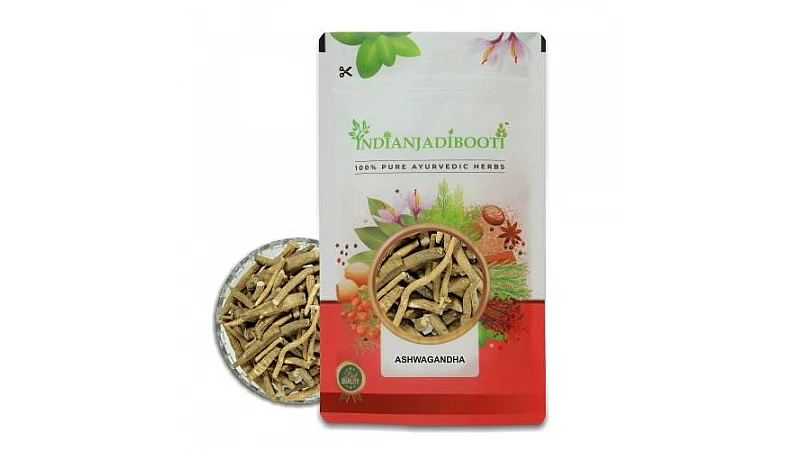
For internal beginner routines, Ashwagandha Powder is the most flexible IndianJadiBooti form because it can be measured and used with warm milk, warm water, porridge, smoothies or recipes. For traditional simmering or whole-root preparation, choose Premium Nagori Ashwagandha Roots Raw. Ashwagandha Oil is for external massage/body-care routines only and should not be consumed or mixed into milk, tea, smoothies or food.
Before choosing a form, compare: Ashwagandha Capsules vs Powder vs Liquid Extract, Ashwagandha Root vs Powder, What Are Withanolides?, and Best Ashwagandha Supplements in India.
How to Use Powder, Root, Capsules and Extracts
Ashwagandha comes in several forms, and each has a different usage style. Root powder is flexible and works well in milk, water, honey paste, porridge, and recipes. Whole root can be used in traditional decoction-style preparations, but it needs more time. Capsules are convenient but less connected to taste and carriers. Standardized extracts are concentrated and should be used according to label instructions and professional guidance when needed.
| Form | Best Usage Method | Pros | Watch-Outs |
|---|---|---|---|
| Root powder | Mix with milk, water, honey, or food. | Traditional, flexible, recipe-friendly. | Earthy taste; dosing can be approximate. |
| Whole root | Decoction or milk simmer preparation. | Traditional feel, useful for herb-aware users. | Takes time; strength varies. |
| Capsules | Take after food with water as directed. | Convenient, travel-friendly. | Easy to forget carrier and suitability. |
| Standardized extract | Follow label; avoid combining with other products. | Consistent marker content. | More concentrated; not identical to powder. |
For product exploration, readers can visit Ashwagandha Powder, Ashwagandha Root, and What Are Withanolides in Ashwagandha? for a deeper understanding of root powder versus standardized strength markers.
Goal-Based Timing and Carrier Tables
People rarely ask about Ashwagandha in isolation. They ask because they have a goal. The goal may be sleep routine, stress resilience, physical recovery, stamina, healthy weight gain, women's wellness, men's wellness, mental clarity, or daily energy. Each goal may require a different timing and carrier.
| Goal | Best Time | Best Carrier | Internal Guide |
|---|---|---|---|
| Sleep-support routine | Evening or before bed. | Warm milk if tolerated. | Best time to take Ashwagandha |
| Daily stress support | After breakfast or evening. | Warm water, milk, or simple food. | Ashwagandha for stress |
| Fitness recovery | After workout meal or evening. | Milk, smoothie, or meal. | Ashwagandha recipes for muscle gain |
| Women's energy routine | Morning after breakfast or evening. | Rose milk, seed bowl, or warm water. | Ashwagandha recipes for women |
| Healthy weight gain routine | After meals or evening. | Milk, ghee, dates, or nourishing food. | Healthy weight gain recipes |
Dosha-Inspired Usage Table
This table is educational and not a diagnosis. Ayurveda is personalized, and a qualified practitioner can guide better if you want constitution-specific use.
| Pattern | May Prefer | May Need Caution With |
|---|---|---|
| Dry, restless, light sleep, depleted | Warm milk, evening routine, small ghee if tolerated. | Cold water or irregular timing. |
| Heat, acidity, irritability, loose stools | Professional guidance, lighter use, careful observation. | High doses, spicy recipes, overheating. |
| Heavy, sluggish, slow digestion | Warm water, small dose, after food. | Heavy milk, ghee, sweets, bedtime overuse. |
Common Mistakes People Make with Ashwagandha
Most Ashwagandha problems we hear from customers are not because the herb is mysterious. For a full checklist, read Common Ashwagandha Mistakes. They happen because the routine is rushed, unsuitable, or unclear. Someone starts with too much. Someone combines it with multiple supplements. Someone takes it on an empty stomach and feels nausea. Someone uses a heavy milk recipe even though they already have slow digestion. Someone keeps taking it despite warning signs.
| Mistake | Why It Can Be a Problem | Better Approach |
|---|---|---|
| Starting with a large dose | May increase side effects or discomfort. | Start small and observe. |
| Taking it empty stomach | May cause nausea in sensitive users. | Take after food initially. |
| Using milk despite intolerance | Can cause heaviness, bloating, congestion. | Try warm water or food mix. |
| Mixing many herbs together | Makes it hard to know what suits you. | Introduce one product at a time. |
| Ignoring medication interactions | Could affect safety. | Ask a healthcare professional. |
| Using indefinitely without review | Long-term safety is not fully clear. | Take breaks and reassess. |
IndianJadiBooti Customer Experience Notes
Working with customers at IndianJadiBooti teaches us that correct usage is often more important than complicated formulas. One office-going customer told us that she had stopped Ashwagandha because she tried it in cold water and disliked the taste. When she shifted to a small amount in warm milk after dinner, she found the routine easier to continue. Another customer wanted a morning routine but felt too relaxed after taking it before work, so he moved it to evening.
A fitness customer once asked whether he should take Ashwagandha before gym for instant stamina. We explained that it is not like caffeine or a pre-workout stimulant. It is better understood as a supportive herb used consistently within recovery, food, sleep, and training routines. A homemaker customer wanted to give it to every family member in the same dose. We suggested caution because children, elderly people, pregnant women, medication users, and people with health conditions need different levels of guidance.
These conversations show why a usage guide should not simply list benefits. Customers need practical instructions, safety reminders, timing options, and permission to choose a method that suits their body.
| Customer Question | Helpful Guidance | Content Opportunity |
|---|---|---|
| Can I take it in the morning? | Yes, after breakfast if it does not cause drowsiness. | Morning vs night SEO query. |
| Is milk compulsory? | No, warm water or food may suit some users. | Milk vs water featured snippet. |
| Can I take it daily? | Suitable adults may use it consistently for a period, but reassessment matters. | Duration and safety FAQ. |
| Why did I feel sleepy? | Some people feel relaxed; shift timing to evening or reduce amount. | Side effect and timing content. |
Simple 7-Day Beginner Usage Plan
This plan is not medical advice. It is a gentle framework for suitable adults who have checked safety and want to understand tolerance before building a longer routine.
| Day | Usage | Observation |
|---|---|---|
| Day 1 | Small amount after dinner with warm water. | Check digestion and sleepiness. |
| Day 2 | Repeat same method. | Avoid changing multiple things. |
| Day 3 | Try warm milk if water taste is unpleasant and milk suits you. | Notice heaviness or comfort. |
| Day 4 | Keep the better carrier. | Observe morning freshness. |
| Day 5 | Test timing: morning after breakfast only if evening feels unsuitable. | Watch daytime alertness. |
| Day 6 | Continue the most comfortable method. | Do not increase unnecessarily. |
| Day 7 | Review whether it suits you. | Continue, adjust, or stop based on response. |
Practical Ashwagandha Usage Checklists
Before starting Ashwagandha, use this simple checklist to avoid confusion. The best usage routine is not the most complicated one. It is the one you can follow consistently without discomfort. This section is especially useful for readers who want a featured-snippet style answer and a quick decision framework before reading the detailed safety notes.
| Checklist Point | Yes or No | Action |
|---|---|---|
| Have you checked pregnancy, breastfeeding, medication, thyroid, autoimmune, liver and surgery cautions? | Must be yes. | If unsure, ask a professional first. |
| Are you starting with only one Ashwagandha product? | Ideally yes. | Avoid stacking powder, capsules and extracts together. |
| Do you know your first carrier? | Choose one. | Use milk for nourishment or water for lightness. |
| Have you planned an observation period? | Yes. | Observe for at least several days before changing dose. |
Customers often want a perfect answer on the first day, but the body usually gives the clearest answer through observation. If Ashwagandha feels grounding, digestible and easy to continue, the routine may be suitable. If it feels heavy, irritating, overly sedating, heating or uncomfortable, the right answer may be to reduce, change carrier or stop.
Important Safety Note Before Starting Ashwagandha
Do not use Ashwagandha to self-treat anxiety, insomnia, depression, thyroid disease, diabetes, blood pressure, infertility, low testosterone, chronic fatigue, hormonal imbalance, liver symptoms, autoimmune disease or any diagnosed medical condition. Avoid casual use during pregnancy, breastfeeding, thyroid disorders, autoimmune conditions, liver concerns, upcoming surgery, severe anxiety/depression, unexplained symptoms, or while taking sedatives, thyroid medicines, diabetes medicines, blood pressure medicines, anticonvulsants, immunosuppressants or multiple supplements. Stop and seek care for jaundice, dark urine, severe itching, persistent vomiting, palpitations, fainting, severe drowsiness, tremor, diarrhea, mood changes or worsening symptoms.
Read next: Who Should Avoid Ashwagandha?, Ashwagandha Drug Interactions, Ashwagandha for Thyroid, and Ashwagandha Side Effects & Safety.
Safety, Side Effects and Who Should Avoid It
Ashwagandha is widely used, but it is not suitable for everyone. NCCIH says Ashwagandha may be safe when taken for short periods, but its long-term safety is uncertain. It also advises avoiding Ashwagandha during pregnancy, breastfeeding, or before surgery and notes possible medication interactions. NCCIH safety overview
NIH ODS also notes potential concerns related to liver problems, thyroid effects, pregnancy, breastfeeding, and prostate cancer. Because safety depends on the person, anyone with a diagnosed condition or regular medication use should speak with a qualified professional before starting Ashwagandha. NIH ODS consumer fact sheet
| Group | Guidance | Reason |
|---|---|---|
| Pregnant people | Generally avoid. | Official sources advise against use. |
| Breastfeeding people | Generally avoid unless medically guided. | Safety data is limited. |
| Thyroid disorder patients | Use only with guidance. | May affect thyroid function or medication response. |
| Autoimmune disease patients | Use only with guidance or avoid. | Immune-related caution. |
| Liver disease or liver warning signs | Avoid and seek medical advice. | Rare liver concerns have been reported. |
| Surgery patients | Avoid before surgery unless doctor says otherwise. | Sedation and interaction concerns. |
| Medication users | Check with healthcare provider. | Potential interactions with sedatives, thyroid, diabetes, blood pressure and immune medicines. |
Possible Side Effects
| Possible Effect | What to Do |
|---|---|
| Nausea or stomach discomfort | Reduce, take after food, or stop. |
| Loose stools | Stop or lower amount; avoid heavy recipes. |
| Excessive drowsiness | Shift to evening, reduce, or stop. |
| Palpitations, tremors, unusual heat | Stop and seek medical guidance. |
| Yellowing eyes, dark urine, severe itching | Stop immediately and seek medical care. |
References and Authentic Sources
This article uses cautious wellness language and refers to authoritative public resources for safety, traditional context, and research orientation:
| Source | Why It Is Relevant |
|---|---|
| NIH Office of Dietary Supplements Consumer Fact Sheet | Safety overview, pregnancy, breastfeeding, thyroid and long-term use cautions. |
| NIH Office of Dietary Supplements Health Professional Fact Sheet | Research context, preparations, study variability and professional safety framing. |
| National Center for Complementary and Integrative Health | Government resource on use, safety, pregnancy, breastfeeding, surgery and interactions. |
| PCIMH, Ministry of AYUSH, Government of India | Official Ayurvedic pharmacopoeial publication context and monograph standards. |
| Ministry of AYUSH Press Statement on Ashwagandha | Government context on Ashwagandha safety discussions and traditional medicine use. |
Continue with Ashwagandha Timing, Dosage & Safety Guides
To complete this correct-use pathway, continue through these guides and product pages:
• Best Time to Take Ashwagandha
• Ashwagandha with Milk vs Water
• Can I Take Ashwagandha Daily?
• How Long Does Ashwagandha Take to Work?
• Ashwagandha Side Effects & Safety
• Buy Ashwagandha Powder
FAQs on How to Take Ashwagandha Correctly
1. What is the best way to take Ashwagandha powder?
The best way for many beginners is to take a small amount after food with warm milk or warm water. Milk is more nourishing and traditional for evening use, while water is lighter and simpler.
2. Should Ashwagandha be taken in the morning or night?
Morning may suit daily wellness routines if it does not cause drowsiness. Night may suit people who feel relaxed after taking it or want a bedtime ritual. Choose the time that matches your body response.
3. Is Ashwagandha better with milk or water?
Milk is traditionally used for nourishment, sleep routine, and strength-support usage. Water is lighter and may suit people who avoid milk or prefer simple daytime use. Neither is universally better.
4. Can I take Ashwagandha on an empty stomach?
Some people may tolerate it, but beginners often do better after food because empty-stomach use may cause nausea or stomach discomfort in sensitive users.
5. How much Ashwagandha should a beginner take?
A beginner using traditional root powder may start with a small amount such as 1/4 teaspoon once daily after food, while following product guidance and personal tolerance. Extracts and capsules should follow label directions.
6. Can Ashwagandha be taken daily?
Suitable adults may use it consistently for a limited period, but long-term safety is not fully established. Reassess periodically and avoid indefinite use without guidance.
7. Can I take Ashwagandha with honey?
Yes, some people mix a small amount of Ashwagandha powder with honey for taste. Do not heat honey or add it to boiling hot drinks.
8. Can I take Ashwagandha with coffee?
It is better not to start with coffee because caffeine may make it harder to judge the herb's effect. If you want a morning routine, try it after breakfast with warm water or food first.
9. How long does Ashwagandha take to feel noticeable?
Some people notice changes in routine comfort within days, while others need several weeks of consistent lifestyle support. It should not be used as a quick-fix treatment.
10. Who should avoid Ashwagandha?
Pregnant people, breastfeeding people, people before surgery, and people with thyroid, autoimmune, liver, medication, or hormone-sensitive concerns should avoid or use only with professional guidance.
11. Can Ashwagandha cause sleepiness?
Yes, some people feel relaxed or sleepy. If it affects daytime alertness, shift it to evening, reduce the amount, or stop if needed.
12. Can I mix Ashwagandha with other herbs?
Do not combine many herbs at the beginning. Start with one product so you can judge tolerance. Ask a qualified practitioner before using complex formulas.
13. Can I use Ashwagandha oil the same way as powder?
No. Ashwagandha oil is for external body-care and massage routines only. It should not be consumed or added to milk, water, tea, smoothies or recipes.
14. Should I change dose, timing and carrier together?
No. Change only one thing at a time. If you adjust dose, timing and carrier together, it becomes difficult to know what helped or caused discomfort.
15. When should I reassess my Ashwagandha routine?
Reassess after a few weeks, after any new medicine or health change, if side effects appear, or if the original goal is achieved. Daily use should not become automatic forever.
Final Verdict
The correct way to take Ashwagandha is personal, practical, and safety-aware. For many suitable adults, the best starting method is a small amount after food, taken consistently with a carrier that matches the goal. Warm milk is ideal for traditional nourishment and evening routines if it suits digestion. Warm water is better for lighter daytime use or milk-free routines. Honey paste and food-based use can help with taste and convenience, but they should still be measured and used carefully.
The biggest rule is to respect suitability. Do not use Ashwagandha because it is trending. Use it because it fits your body, your routine, and your wellness goal. Start low, observe honestly, avoid unnecessary combinations, and stop if it does not suit you. For people with pregnancy, breastfeeding, thyroid disorders, autoimmune disease, liver concerns, surgery plans, medication use, or unusual symptoms, professional guidance is essential.
For readers shopping at IndianJadiBooti, the simplest next step is to choose a clean traditional form such as Ashwagandha Powder, learn the basics from the Ashwagandha hub, and build a modest routine that feels sustainable rather than extreme.