
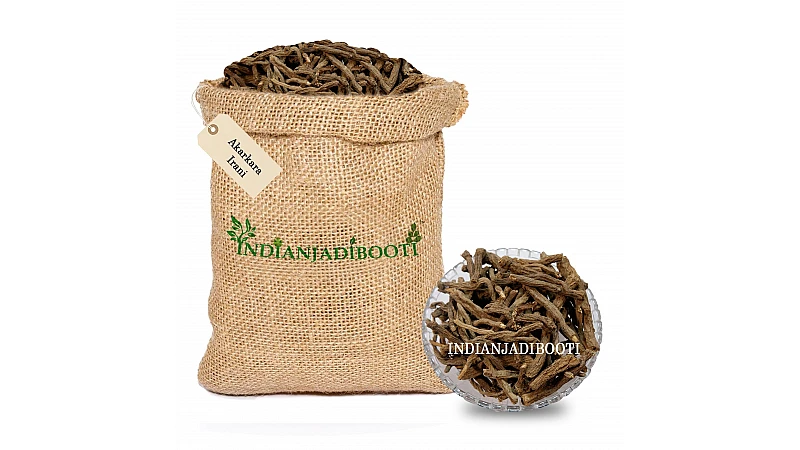
Ashwagandha (Withania Somnifera): Benefits, Uses, Dosage, Recipes, Side Effects & Complete Ayurvedic Guide
Ashwagandha, also known as Asgandh Nagori or Indian Ginseng, is one of the most powerful herbs used in Ayurveda for strength, stamina, stress relief, immunity, muscle recovery, sleep support, and vitality. This master guide explains everything about Ashwagandha root, powder, benefits, Ayurvedic uses, dosage, recipes, combinations, side effects, and how to choose pure Ashwagandha.

Table of Contents
- 1. What is Ashwagandha?
- 2. Regional & Ayurvedic Names
- 3. Nutritional & Active Compounds
- 4. Top Health Benefits of Ashwagandha
- 5. Ashwagandha & Thyroid Support
- 6. Ashwagandha for Blood Sugar
- 7. Skin & Hair Benefits
- 8. Ashwagandha Root vs Powder vs Capsule
- 9. Ashwagandha Recipes
- 10. Side Effects & Precautions
- 11. Scientific Research on Ashwagandha
- 12. How to Identify Pure Ashwagandha
- 13. Frequently Asked Questions
Ashwagandha Quick Summary
- Ashwagandha is a traditional Ayurvedic adaptogenic herb used for stress, sleep, recovery, and vitality.
- It may help support cortisol balance, relaxation, stamina, muscle recovery, and overall wellness.
- Traditional usage commonly involves consuming Ashwagandha powder with warm milk, ghee, or honey.
- Modern studies are exploring its potential effects on stress response, sleep quality, cognition, and physical performance.
- Individuals taking thyroid, diabetes, blood pressure, or sedative medications should consult a healthcare professional before regular use.
This educational guide combines traditional Ayurvedic knowledge, herbal literature, modern wellness research, and historical usage information related to Ashwagandha (Withania somnifera).
1. What is Ashwagandha?
Ashwagandha, scientifically known as Withania somnifera, is a small, woody shrub belonging to the Solanaceae (nightshade) family. It features light green leaves, small bell-shaped green flowers, and bright red berries. The name "Ashwagandha" is derived from Sanskrit, where "Ashwa" means horse and "Gandha" means smell. This translates to "the smell of a horse," referring both to the unique earthy aroma of its fresh roots and the traditional belief that consuming the herb imparts the strength and vitality of a stallion.
The Ayurvedic Importance of Ashwagandha
In the ancient Indian system of holistic health, Ashwagandha holds a highly revered position. It is classified as a Rasayana, which is a category of herbs traditionally used to promote physical and mental youthfulness, longevity, and overall vitality. Within Ayurvedic philosophy, the herb is particularly valued for its ability to balance the Vata and Kapha doshas. For thousands of years, Ayurvedic practitioners have utilized the Withania somnifera plant profile to support a healthy immune system and foster deep, restorative vitality.
What is an Adaptogenic Herb?
Ashwagandha is widely celebrated as a powerful adaptogen. But what is an adaptogenic herb? In herbalism, adaptogens are natural substances that help the body adapt to physical, emotional, and environmental stress while maintaining natural balance (homeostasis). Rather than targeting one specific symptom, adaptogens work like a thermostat. When energy is low, they help revitalize the system; when stress is high, they help promote a sense of calm. Understanding how adaptogenic herbs work for daily stress management is key to appreciating why Ashwagandha has become a staple in modern wellness routines.
Deep Dive: Stress & Sleep
Looking for targeted advice? Read our detailed guides on Ashwagandha for Stress & Anxiety or discover how it impacts cortisol at night in our Ashwagandha for Sleep & Insomnia Guide.
Traditional Uses in Practice
Historically, the traditional uses of Ashwagandha were vast and holistic. Ayurvedic practitioners commonly prepared the herb as a churna (finely sifted powder) mixed with warm milk, ghee, or honey to aid digestion and absorption. It was traditionally used to:
- Support healthy energy levels and physical stamina.
- Promote restful sleep and a calm mind.
- Support healthy joint function and mobility.
- Nourish tissues and support overall reproductive health.
Modern Scientific Popularity
Today, the modern scientific popularity of Ashwagandha has surged as researchers study its active compounds, primarily withanolides. These naturally occurring steroidal lactones are believed to be responsible for many of the herb's balancing properties. Because it aligns perfectly with the modern consumer's desire for natural stress management, pure herb extract benefits are now widely highlighted in clinical studies. You will find it globally formulated into capsules, gummies, functional coffees, and wellness teas, bridging the gap between ancient wisdom and modern nutritional science.
Where Does Ashwagandha Grow?
Ashwagandha is a hardy plant that thrives in dry, arid climates with well-draining soil. It is natively cultivated in India, the Middle East, and parts of North Africa. Within India, the highest quality crops are typically found in the drier regions of Madhya Pradesh, Rajasthan, and Gujarat. The harsh, dry conditions of these environments actually force the plant to develop a more robust root system, which concentrates its valuable bioactive compounds.
Ashwagandha Root vs. Leaves: What’s the Difference?
When comparing Ashwagandha root vs. leaves, there is a critical distinction in both traditional use and modern efficacy.
- The Root: The root is the primary part of the plant used in Ayurveda for internal consumption. It contains the ideal, safe balance of withanolides required to support stress relief and vitality. High-quality Ashwagandha powders and extracts are almost exclusively root-based.
- The Leaves: The leaves contain a much higher concentration of a specific compound called Withaferin A. While this has topical applications in traditional medicine for soothing skin or joints, high amounts of Withaferin A are generally not recommended for daily internal consumption. For safety and maximum efficacy, consumers should always seek out products explicitly labeled as Ashwagandha root powder or root extract.
Why is Ashwagandha Called "Indian Ginseng"?
Although Ashwagandha and Panax ginseng are botanically unrelated—belonging to completely different plant families—Ashwagandha is frequently referred to as "Indian Ginseng." This nickname was coined because the two herbs share similar functional applications. Just as traditional Chinese medicine reveres ginseng for building energy, stamina, and resilience, Ayurveda uses Ashwagandha for the exact same purposes. Both are premier adaptogens, making "Indian Ginseng" an accurate description of its rejuvenating role in holistic health.
2. Regional & Ayurvedic Names
The varied names of Ashwagandha across different languages and cultures offer a fascinating window into its botanical characteristics and historical value in traditional herbalism.
| Language | Name |
|---|---|
| Hindi | Asgandh, Ashwagandha |
| English | Indian Ginseng, Winter Cherry |
| Sanskrit | Vajini, Balada |
Hindi: Asgandh and Ashwagandha In everyday Hindi and across traditional Indian raw herb markets, the plant is most commonly known as Ashwagandha or Asgandh. The term "Asgandh" is a localized derivation that emphasizes the root's defining physical trait: its distinct, earthy aroma. For generations of practitioners and traders dealing in authentic jadi booti (raw herbs), this characteristic scent is a primary marker of the root's freshness and potency, directly translating to the "smell of a horse."
Sanskrit: Vajini and Balada In ancient Ayurvedic texts, Ashwagandha is honored with several descriptive Sanskrit synonyms that highlight its therapeutic applications. It is frequently called Balada, which translates directly to "the giver of strength" (Bala meaning strength, vitality, or immunity). It is also referred to as Vajini, a term strongly linked to equine energy, stamina, and reproductive vitality. These classical names underscore the herb's revered status as a Rasayana—a rejuvenating tonic meant to fortify the body's natural resilience and physical endurance.
English: Indian Ginseng and Winter Cherry In the English-speaking world, alongside the functional nickname Indian Ginseng, the herb is widely recognized botanically as the Winter Cherry. This name shifts the focus from the plant's roots to its visual appearance. As a member of the nightshade (Solanaceae) family, the Ashwagandha shrub produces small, bright, cherry-red berries hidden inside delicate, papery calyxes. While it is the root that contains the prized adaptogenic withanolides, the name "Winter Cherry" perfectly captures the unique botanical beauty of the whole plant.
3. Nutritional & Active Compounds
The efficacy of Ashwagandha as a premium botanical supplement lies in its complex matrix of natural phytochemicals. Rather than relying on a single nutrient, the root provides a synergistic blend of bioactive compounds that support the body holistically.
Withanolides
These naturally occurring steroidal lactones are the primary active constituents of Ashwagandha. Withanolides are heavily researched for their role in cellular health and the body's stress response. High-quality botanical root extracts are typically standardized to contain a specific percentage of withanolides, as they are the foundational drivers of the herb’s balancing and rejuvenating properties.
Alkaloids
Ashwagandha contains a diverse profile of natural alkaloids, including somniferine, anaferine, and tropine. In traditional botanical practices, these nitrogen-rich compounds are highly valued for their soothing properties. They work synergistically with the withanolides to support a balanced nervous system, promoting a natural sense of calm and aiding in restorative sleep.
Antioxidants
The root is an excellent source of natural antioxidants, which play a crucial role in neutralizing free radicals and scavenging unstable molecules in the body. By helping to mitigate oxidative stress, the antioxidant profile of Ashwagandha supports cellular longevity, robust immune function, and healthy aging.
Iron Content
Unlike many other traditional rejuvenating herbs, Ashwagandha is a natural source of iron. In traditional Ayurvedic preparations, Ashwagandha powder (churna) is frequently mixed with warm milk or ghee. This traditional delivery method not only masks the root's distinct earthy aroma but also provides healthy fats that aid in the optimal absorption of its nutrients, including iron, to support healthy red blood cells and sustained vitality.
Anti-inflammatory Compounds
The plant contains a robust profile of flavonoids, saponins, and specific withanolides that exhibit naturally soothing properties. These anti-inflammatory constituents are highly valued in both classical Ayurveda and modern wellness for supporting healthy joint function, promoting flexibility, and aiding in muscle recovery after physical exertion.
Adaptogenic Compounds
The true power of Ashwagandha lies in how all of these nutritional elements function together as a holistic adaptogenic matrix. Rather than forcing the body into a specific state, this complex blend of compounds helps regulate the endocrine system to support healthy cortisol levels. By helping the body respond adaptively to physical and mental stressors, these compounds maintain homeostasis (natural internal balance)—revitalizing the body when fatigued and calming the mind when stressed.
4. Top Health Benefits of Ashwagandha
Ashwagandha is arguably one of the most revered and comprehensively studied botanical supplements in modern holistic health. While its origins are deeply rooted in the ancient traditions of Ayurveda, its transition into mainstream global wellness is driven by an impressive body of modern scientific research. The top health benefits of Ashwagandha do not stem from a single, isolated mechanism, but rather from its complex profile of bioactive compounds working in synergy to promote systemic balance. As a traditional rejuvenating herb powerhouse, this remarkable herb operates on a foundational level—helping to regulate the body's physiological responses to environmental, physical, and emotional stressors.
Unlike synthetic supplements that often force the body into a specific physiological state, Ashwagandha gently supports homeostasis. Whether it is used to revitalize a fatigued system, calm an overactive mind, or support robust physical endurance, the benefits are expansive and holistic. In traditional Indian herbalism, it is classified as a Rasayana—a restorative tonic intended to nourish the tissues, promote longevity, and build deep resilience from the inside out.
Today, health-conscious consumers and wellness practitioners alike turn to high-quality Ashwagandha root powder and standardized extracts to address the multifaceted challenges of a fast-paced modern lifestyle. The following sections explore the most prominent, science-backed health benefits of incorporating this premier adaptogen into a daily nutritional regimen.
1. Reduces Stress & Anxiety
The most widely recognized and extensively researched benefit of Ashwagandha is its profound ability to support a healthy response to daily stress and promote natural relaxation. In today’s high-pressure world, chronic stress can take a severe toll on overall well-being, often leading to fatigue, mood fluctuations, and a compromised immune system. This traditional herb addresses this challenge directly through its powerful stress-support properties, which help the body and mind maintain balance even during demanding and unpredictable circumstances.
At the core of its stress-relieving efficacy is its interaction with the hypothalamic-pituitary-adrenal (HPA) axis—the central stress response system of the human body. When a person experiences stress, the adrenal glands release cortisol, commonly known as the "stress hormone." While cortisol is essential for short-term survival and alertness, chronically elevated levels can disrupt sleep, digestion, and mental clarity. Scientific studies consistently indicate that the withanolides found in Ashwagandha extract help to naturally regulate these cortisol levels. By modulating this endocrine response, the herb acts as a physiological buffer, preventing the body from remaining in a prolonged, exhausting state of "fight or flight."
Furthermore, Ashwagandha supports the healthy function of GABA (Gamma-aminobutyric acid) pathways in the brain. GABA is a naturally occurring inhibitory neurotransmitter responsible for inducing a calming, tranquil effect on the central nervous system. By supporting healthy GABA activity, Ashwagandha helps quiet an overactive mind, significantly reducing feelings of restlessness, nervousness, and mental tension. This unique dual-action mechanism—balancing physical cortisol levels while supporting calming neurotransmitters—makes it highly effective for promoting a calm, focused state of mind without the drowsy or lethargic side effects often associated with synthetic relaxants.
For those managing the heavy demands of modern life, incorporating a daily regimen of Ashwagandha root powder or a high-quality extract can lead to measurable improvements in overall quality of life. Users frequently report feeling more grounded, emotionally resilient, and better equipped to handle everyday challenges with clarity. By fostering this deep, foundational calm, Ashwagandha not only eases the immediate sensations of daily stress but also protects the body from the long-term wear and tear of chronic tension.
For broader vitality-focused Ayurvedic wellness support, some individuals also combine Ashwagandha with classical strengthening herbs available in our Sexual Health Pack and Vigour Kit.
2. Improves Sleep
One of the most fascinating aspects of Ashwagandha is embedded right in its scientific name: Withania somnifera. In Latin, the word "somnifera" literally translates to "sleep-inducing." For individuals struggling with occasional sleeplessness or those looking to optimize their nightly recovery, Ashwagandha has emerged as one of the best natural sleep support supplements available today. Unlike over-the-counter sedatives or synthetic sleep aids that artificially force the brain into a state of unconsciousness, Ashwagandha takes a holistic, root-cause approach to promoting restful sleep. It works primarily by addressing the underlying stress and overactive neurological pathways that typically keep us tossing and turning at night.
When the body is under stress, elevated cortisol levels can severely disrupt our natural circadian rhythm, making it difficult to wind down in the evening. By acting as a powerful traditional rejuvenating herb, Ashwagandha helps lower cortisol levels at night, signaling to the body that it is safe to relax. Furthermore, the active withanolides and naturally occurring alkaloids in the root help to upregulate GABA receptors in the brain. GABA is an inhibitory neurotransmitter that promotes a deep sense of tranquility and prepares the central nervous system for restorative rest.
Modern clinical research on Ashwagandha root extract for sleep quality has shown highly promising results. Users frequently report not only falling asleep faster but also experiencing fewer middle-of-the-night awakenings. More importantly, because it is an adaptogen rather than a heavy sedative, taking Ashwagandha for sleep support does not result in the groggy, lethargic "hangover" feeling the next morning. Instead, it supports a healthy sleep architecture, allowing the body to cycle naturally through light, deep, and REM sleep phases.
In traditional Ayurvedic practice, Ashwagandha churna (powder) is often consumed before bed in a warm beverage known as "moon milk"—a soothing blend of Ashwagandha, warm milk, nutmeg, and a touch of ghee or honey. This traditional ritual not only maximizes the bioavailability of the herb’s active compounds but also creates a comforting bedtime routine. For those exploring natural ways to improve sleep hygiene, integrating Ashwagandha into a nightly routine offers a safe, non-habit-forming solution for deep, rejuvenating rest.
3. Supports Muscle Growth
While Ashwagandha is widely celebrated for its calming effects on the mind, it is equally highly regarded for its profound impact on physical vitality and athletic performance. In classical Ayurvedic texts, the herb is referred to as Balada, meaning the "giver of strength." Today, modern fitness enthusiasts, bodybuilders, and everyday athletes are increasingly turning to Ashwagandha as a natural supplement for muscle growth and exercise recovery. Its unique ability to balance the body under physical stress makes it one of the most effective adaptogens for supporting overall physical stamina and muscle strength.
When you engage in intense physical training or heavy resistance exercises, you are essentially placing your body under acute physical stress. This stress triggers a spike in cortisol which, if left unchecked, can lead to muscle breakdown (catabolism) and delayed recovery. By helping to regulate this exercise-induced cortisol spike, Ashwagandha creates a more favorable anabolic environment within the body. This optimal hormonal balance is crucial for facilitating natural muscle hypertrophy (growth) and reducing the time it takes for muscle fibers to repair themselves after a strenuous workout.
Clinical studies evaluating the benefits of Ashwagandha extract for physical endurance have demonstrated its ability to support healthy testosterone levels in men within a normal, healthy range. This holistic hormonal support, combined with enhanced oxygen consumption (VO2 max) during cardiovascular activity, leads to noticeable improvements in both peak strength output and sustained aerobic endurance. Users often experience increased power during resistance training and less overall physical fatigue during prolonged exercise.
Beyond just building muscle, Ashwagandha plays a vital role in natural muscle recovery. Its robust anti-inflammatory and antioxidant properties help soothe exercise-induced muscle damage and reduce post-workout soreness. For those looking to optimize their fitness journey without relying on synthetic pre-workouts or harsh stimulants, incorporating a high-quality Ashwagandha supplement provides a safe, natural foundation for building lean muscle, enhancing physical resilience, and achieving peak athletic performance.
Deep Dive: Strength & Vitality
Optimize your physical performance. Check out our specialized guides on Ashwagandha for Men's Stamina and our breakdown of Ashwagandha for Muscle Growth & Weight Gain.
4. Enhances Immunity
A robust, highly responsive immune system is the foundation of long-term health, and Ashwagandha has been utilized for millennia to fortify the body's natural defenses. In the Ayurvedic tradition, this potent botanical is classified as a Rasayana—a rejuvenating tonic specifically formulated to nourish tissues, promote longevity, and build systemic resilience. Today, those seeking natural immune system support are discovering that the adaptogenic benefits of Ashwagandha extend far beyond stress relief, offering comprehensive protection for the body's vital immune functions.
The relationship between chronic stress and weakened immunity is well-documented in modern science. When the body is subjected to persistent stress, the continuous output of cortisol suppresses immune cell activity, leaving the body more vulnerable to external challenges. Ashwagandha acts as a powerful immune modulator primarily through its stress-reducing capabilities. By lowering excess cortisol and helping the body adapt to daily stressors, it indirectly removes the heavy burden placed on the immune system. This allows the body to allocate its resources toward maintaining a strong, vigilant defense network rather than constantly battling the physiological wear and tear of stress.
Beyond its indirect stress support, Ashwagandha provides direct immunological benefits thanks to its rich concentration of bioactive compounds. The root is packed with natural antioxidants, flavonoids, and withanolides that actively combat oxidative stress and neutralize harmful free radicals throughout the body. By reducing oxidative damage at the cellular level, Ashwagandha helps protect the structural integrity of immune cells, ensuring they function optimally when needed.
Research also suggests that extract can help stimulate the activity of natural killer (NK) cells and macrophages—key components of the innate immune system responsible for identifying and clearing out cellular debris and foreign elements. Furthermore, it supports a healthy inflammatory response, ensuring that the immune system reacts appropriately to daily threats without overreacting. For individuals looking to maintain optimal health year-round, integrating Ashwagandha into a daily wellness routine offers a holistic, plant-based strategy for enhancing immunity and building deep, lasting vitality.
5. Improves Brain Function
In our fast-paced, information-heavy modern world, maintaining sharp mental focus, clear memory, and overall cognitive health is a top priority for many. Ashwagandha has long been revered in traditional Ayurvedic practices as a Medhya Rasayana—a specialized category of herbs dedicated specifically to nourishing the mind, enhancing intellect, and promoting mental clarity. Today, this ancient wisdom is backed by modern clinical research, positioning Ashwagandha as one of the most effective natural nootropics for supporting comprehensive brain function and cognitive longevity.
One of the primary ways Ashwagandha improves brain function is by actively protecting the brain from the damaging effects of oxidative stress. The brain is highly susceptible to free radical damage due to its high oxygen consumption and lipid-rich structure. The powerful antioxidants found in Ashwagandha root, particularly the withanolides, cross the blood-brain barrier to scavenge these unstable molecules. This neuroprotective action helps preserve the health of brain cells, supporting long-term cognitive health and promoting the healthy aging of the central nervous system.
Furthermore, Ashwagandha addresses the common modern ailments of "brain fog" and mental fatigue by modulating the body's stress response. When we are chronically stressed or anxious, our cognitive bandwidth is severely compromised, making it difficult to concentrate, process new information, or recall memories. By lowering cortisol levels and promoting a calm, focused state of mind, Ashwagandha clears away mental clutter. This adaptogenic calming effect allows for improved sustained attention, faster information processing speeds, and better executive functioning.
Clinical trials studying the cognitive benefits of Ashwagandha extract have demonstrated highly encouraging results, particularly in the areas of both immediate and general memory. Participants using high-quality Ashwagandha supplements frequently report notable improvements in short-term memory recall, task focus, and overall mental agility. Additionally, by supporting the healthy function of neurotransmitters like acetylcholine—which is critical for learning and memory—the herb provides a comprehensive boost to cognitive performance. Whether you are a student preparing for exams or a professional navigating a demanding career, Ashwagandha offers a safe, natural way to support peak mental clarity.
Deep Dive: Ashwagandha for Specific Health Goals
- The Definitive Guide to Ashwagandha for Stress & Cortisol
- Ashwagandha for Stress and Anxiety: Holistic Guide to Finding Calm
- Ashwagandha for Anxiety: Cortisol Reduction & Clinical Evidence
- Ashwagandha for Sleep: Does It Really Help Insomnia?
- Ashwagandha for Men: Testosterone, Muscle Growth & Stamina
- Ashwagandha for Muscle Growth & Weight Gain Explained
- Ashwagandha for Women: Hormonal Balance & Energy Restoration
- Ashwagandha for Thyroid: Hypothyroid Support & Hormonal Balance
Quick Answers About Ashwagandha
What is Ashwagandha used for?
Ashwagandha is traditionally used in Ayurveda for stress relief, sleep support, muscle recovery, stamina, energy, immunity, memory, hormonal balance, and overall vitality. It is considered one of the most powerful adaptogenic herbs for balancing the nervous system and improving resilience to physical and mental stress.
What is the best way to take Ashwagandha?
The traditional Ayurvedic method is to consume Ashwagandha powder with warm milk, ghee, or honey. Capsules offer convenience, while raw roots are best for decoctions and herbal preparations.
How long does Ashwagandha take to work?
Most people begin noticing stress relief and better sleep within 1 to 2 weeks of regular use. Muscle recovery, stamina, hormonal support, and adaptogenic benefits generally become more noticeable after 6 to 8 weeks of consistent daily intake.
Can Ashwagandha be taken at night?
Yes. Taking Ashwagandha before bed is one of the most popular traditional uses. It helps calm the nervous system, supports deeper sleep quality, and promotes overnight recovery.
5. Ashwagandha & Thyroid Support
Ashwagandha has gained significant attention in modern herbal wellness discussions for its potential role in supporting healthy thyroid function naturally. In Ayurveda, Ashwagandha is considered a rejuvenating adaptogen that nourishes the endocrine system and helps the body maintain internal balance during periods of chronic stress and fatigue. Because thyroid imbalance is often linked with stress, exhaustion, poor sleep, and nervous system dysregulation, Ashwagandha root is frequently used as part of holistic thyroid wellness routines.
Several modern clinical studies investigating Ashwagandha root extract suggest that it may help support healthy T3 and T4 hormone levels in individuals with sluggish thyroid function. Its adaptogenic properties may help regulate the hypothalamic-pituitary-adrenal (HPA) axis, which indirectly influences thyroid hormone signaling and metabolic activity. This is one reason why many people exploring natural support for fatigue, low stamina, brain fog, and slow metabolism often consider Ashwagandha supplementation.
Additionally, Ashwagandha’s antioxidant profile helps protect thyroid tissues from oxidative stress. Chronic inflammation and stress-induced free radical damage are increasingly recognized as contributing factors in endocrine imbalance. The naturally occurring withanolides in Ashwagandha root may help support cellular resilience and healthy inflammatory balance throughout the body.
Important Note: Individuals with hyperthyroidism or those already taking thyroid medication should consult a qualified healthcare professional before taking Ashwagandha regularly, as the herb may influence thyroid hormone activity.
In traditional Ayurvedic practice, Ashwagandha is commonly combined with nourishing foods such as milk, ghee, dates, and almonds to support deep tissue rejuvenation and healthy metabolism. When combined with proper sleep, stress management, and a nutrient-rich diet, Ashwagandha may become a valuable component of a holistic thyroid support strategy.
6. Ashwagandha for Blood Sugar Support
Ashwagandha has become increasingly popular among individuals looking for natural ways to support healthy blood sugar balance and metabolic wellness. In Ayurveda, Ashwagandha is traditionally categorized as a rejuvenating adaptogen that helps strengthen the body's resilience against chronic stress, fatigue, inflammation, and nervous system imbalance — all of which can indirectly affect metabolic health and glucose regulation.
Modern scientific research suggests that Ashwagandha root extract may support healthy insulin sensitivity and carbohydrate metabolism. Chronic stress is one of the major hidden contributors to unstable blood sugar levels because elevated cortisol can increase glucose release in the bloodstream. Since Ashwagandha is widely recognized for its cortisol-balancing adaptogenic properties, many holistic wellness practitioners consider it a supportive herb for individuals dealing with stress-related metabolic imbalance.
The naturally occurring withanolides and antioxidant compounds present in Ashwagandha root may also help reduce oxidative stress and inflammatory burden throughout the body. Oxidative stress is increasingly linked with poor metabolic health, fatigue, sluggish recovery, and accelerated cellular aging. By supporting healthy inflammatory balance and nervous system regulation, Ashwagandha contributes to overall metabolic resilience rather than functioning as a direct sugar-lowering drug.
Another major advantage of Ashwagandha for metabolic wellness is its potential role in improving sleep quality and reducing chronic stress eating. Poor sleep patterns and elevated anxiety often lead to unhealthy food cravings, energy crashes, and hormonal imbalance. By promoting calmness, emotional stability, and restorative sleep, Ashwagandha may indirectly help support healthier eating habits and long-term wellness routines.
Important: Ashwagandha should not be considered a replacement for prescribed diabetes medication or medical treatment. Individuals already taking blood sugar medications should consult a healthcare professional before using Ashwagandha regularly, as combining herbs and medication may affect glucose balance.
In traditional Ayurvedic wellness practices, Ashwagandha is often combined with balanced nutrition, mindful eating, regular movement, proper sleep, and stress management techniques to support holistic metabolic health. When used consistently as part of a healthy lifestyle, Ashwagandha root may help promote sustainable energy, improved vitality, and better overall wellness.
7. Ashwagandha for Skin & Hair Health
Ashwagandha has long been valued in Ayurveda not only for strength and vitality, but also for promoting healthy skin, strong hair, and graceful aging. Because chronic stress, inflammation, poor sleep, and hormonal imbalance are major contributors to premature aging, dull skin, and hair fall, Ashwagandha’s adaptogenic and rejuvenating properties make it highly beneficial for overall beauty and wellness support.
Ashwagandha for Hair Growth
One of the most common modern causes of excessive hair shedding is stress-related hormonal imbalance. Elevated cortisol levels can disrupt the natural hair growth cycle, weaken follicles, and contribute to premature hair thinning. Because Ashwagandha helps support healthy cortisol balance and nervous system regulation, many individuals use it as part of a holistic routine for stress-related hair fall management.
Ashwagandha root also contains natural antioxidants and iron that help support healthy blood circulation and nourishment to the scalp. In traditional Ayurvedic formulations, Ashwagandha powder is often combined with herbs like Bhringraj, Amla, Brahmi, and Jatamansi to support stronger roots, healthier scalp function, and improved hair texture.
Traditional Ayurvedic wellness practices also use Ashwagandha oil for body massage, stress relief routines, scalp nourishment, and relaxation therapies.
Ashwagandha for Skin Health
The antioxidant compounds present in Ashwagandha help combat oxidative stress and environmental damage caused by pollution, UV exposure, poor sleep, and emotional stress. Excess oxidative stress accelerates collagen breakdown and contributes to dullness, uneven skin texture, and premature signs of aging. By helping the body maintain internal balance, Ashwagandha supports healthier, more resilient skin from within.
Ashwagandha is also traditionally used in rejuvenating Ayurvedic wellness programs aimed at supporting natural glow, skin hydration, and tissue nourishment. Since stress and anxiety often trigger inflammatory skin conditions and poor recovery, Ashwagandha’s calming properties may indirectly help improve overall skin appearance and vitality.
Ashwagandha for Anti-Aging Wellness
In Ayurveda, Ashwagandha is classified as a Rasayana — a category of rejuvenating herbs associated with longevity, vitality, tissue nourishment, and healthy aging. Regular use of Ashwagandha root powder alongside proper nutrition, sleep, hydration, and stress management may help support healthy energy levels, improved recovery, and overall youthful well-being.
Traditional Ayurvedic Combination: Ashwagandha is commonly paired with Amla, Bhringraj, Shatavari, and Brahmi in traditional herbal wellness routines designed for hair nourishment, stress balance, beauty support, and healthy aging.
8. Ashwagandha Root vs Powder vs Capsules
| Form | Best For | How to Use |
|---|---|---|
| Whole Root | Traditional decoctions | Boil in milk/water |
| Powder | Daily use | Mix in milk/honey |
| Capsules | Convenience | As directed |
Choosing the right form of Ashwagandha depends largely on your lifestyle, your appreciation for traditional Ayurvedic practices, and how you prefer to consume your daily supplements. Whether you opt for the whole raw root, finely ground powder, or convenient capsules, understanding the differences ensures you get the maximum therapeutic benefit from this powerful adaptogen.
Whole Root: The Authentic Foundation
For those who seek the purest, most unadulterated form of the plant, raw Ashwagandha root—the staple of authentic jadi booti (traditional raw herb) markets—is the gold standard. Purchasing the whole root allows you to physically verify the quality, freshness, and the characteristic earthy aroma that signifies high potency. Whole roots are traditionally used to create potent herbal decoctions. By slowly simmering the raw roots in water or milk, you extract the full spectrum of phytochemicals. While this method requires more preparation time, it honors ancient Ayurvedic traditions and guarantees that no fillers, preservatives, or artificial binders enter your wellness routine.
Powder (Churna): Versatility and Tradition
Ashwagandha powder, classically known as churna, strikes the perfect balance between traditional authenticity and everyday usability. Created by drying and finely milling the pure root, the powder form is highly versatile and retains the full, natural matrix of withanolides, alkaloids, and antioxidants. The primary advantage of pure Ashwagandha powder is its enhanced bioavailability when paired with an anupana (a carrier substance). In Ayurveda, it is highly recommended to mix the powder with healthy fats like warm milk or ghee, or with natural honey. These carriers help to shuttle the active compounds deep into the body’s tissues. For instance, the popular nighttime ritual of mixing Ashwagandha powder into warm milk not only softens the herb’s naturally bitter taste but also significantly enhances its sleep-promoting absorption.
For daily Ayurvedic wellness routines, many users prefer using pure Ashwagandha root powder that can easily be mixed into milk, smoothies, herbal teas, or traditional nighttime preparations.
Capsules and Extracts: Modern Convenience
For individuals navigating a fast-paced, modern lifestyle, Ashwagandha capsules or standardized extracts offer unmatched convenience. The primary benefit of capsules is precise, measured dosing. High-quality capsules are often formulated using concentrated root extracts that are standardized to a specific percentage of active withanolides, ensuring you receive a consistent therapeutic dose every time. Furthermore, capsules completely bypass the taste buds, making them the ideal choice for those who are sensitive to the root's strong, earthy flavor profile. They are travel-friendly, require zero preparation time, and fit seamlessly into a busy morning or evening routine.
Which Should You Choose?
Ultimately, the debate between Ashwagandha root vs. powder vs. capsules comes down to your personal wellness goals and daily habits. If you value a deep connection to holistic rituals and want the most authentic, whole-plant experience, sourcing raw roots or pure powder from trusted herbal suppliers is the best path. The daily ritual of mixing and preparing the natural herb can be deeply grounding, adding an extra layer of mindfulness to your stress-relief routine. However, if preparation time is a barrier that prevents you from taking the herb consistently, high-quality capsules are the practical choice. Because consistency is the true key to unlocking the long-term adaptogenic benefits of Ashwagandha, the best form is simply the one you will take every single day.
9. Ashwagandha Recipes & Traditional Uses
For centuries, Ashwagandha has been consumed in Ayurveda through nourishing herbal preparations designed to improve absorption, digestion, and tissue rejuvenation. Traditional Ayurvedic recipes often combine Ashwagandha root powder with milk, ghee, nuts, spices, or natural sweeteners to create deeply restorative wellness tonics. These recipes not only improve the taste of the herb but also enhance the bioavailability of its active compounds.
Below are some of the most popular and effective ways to consume Ashwagandha root powder in daily wellness routines.
1. Traditional Ashwagandha Milk (Moon Milk)
Ashwagandha milk is one of the oldest and most widely used Ayurvedic nighttime tonics. This calming beverage is traditionally consumed before bed to support stress relief, deep sleep, nervous system relaxation, recovery, and healthy weight gain.
Ingredients
- 1 teaspoon Ashwagandha root powder
- 1 cup warm milk
- 1/4 teaspoon cardamom powder
- A pinch of nutmeg
- 1 teaspoon ghee (optional)
- Raw honey or mishri as per taste
How to Prepare
- Warm the milk gently on low flame.
- Add Ashwagandha powder and stir continuously.
- Add cardamom and nutmeg.
- Simmer for 3–5 minutes.
- Turn off the heat and allow it to cool slightly.
- Add honey only after the milk becomes lukewarm.
Best For: Sleep support, stress management, muscle recovery, weakness, fatigue, and healthy weight gain.
2. Ashwagandha Herbal Tea
Ashwagandha tea is a lighter alternative for people who prefer dairy-free herbal wellness drinks. This preparation is commonly used for daytime stress support, focus, energy balance, and nervous system relaxation.
Ingredients
- 1 teaspoon Ashwagandha root powder
- 2 cups water
- Small piece of ginger
- Few Tulsi leaves
- Cinnamon stick (optional)
- Honey as needed
Preparation Method
- Boil water in a pan.
- Add ginger, Tulsi, and cinnamon.
- Add Ashwagandha powder.
- Simmer for 7–10 minutes.
- Strain and allow it to cool slightly.
- Add honey before serving.
Best For: Daily stress support, focus, immunity, mental clarity, and calming daytime wellness drinks.
3. Ashwagandha Laddu
Ashwagandha laddus are traditional Ayurvedic energy balls prepared during winter and recovery periods. These nourishing formulations are widely consumed for stamina, reproductive wellness, strength, muscle recovery, and post-illness rejuvenation.
Ingredients
- 2 tablespoons Ashwagandha powder
- 1 cup wheat flour
- 1/2 cup ghee
- Dry fruits and nuts
- Jaggery powder
- Cardamom powder
Preparation Method
- Roast wheat flour in ghee until aromatic.
- Add Ashwagandha powder carefully on low flame.
- Add powdered jaggery and nuts.
- Mix thoroughly.
- Shape into laddus while warm.
Best For: Physical weakness, gym recovery, winter nourishment, stamina, vitality, and healthy weight support.
4. Ashwagandha Banana Smoothie
Modern wellness routines often incorporate Ashwagandha into protein smoothies and post-workout recovery drinks. Combining Ashwagandha with bananas, dates, nuts, and milk creates a highly nourishing recovery beverage.
Ingredients
- 1 banana
- 1 teaspoon Ashwagandha powder
- 1 cup milk or almond milk
- 2 soaked dates
- Almonds or peanut butter
- Cinnamon powder
How to Make
- Add all ingredients into a blender.
- Blend until smooth.
- Serve immediately.
Best For: Gym recovery, healthy calorie intake, stamina, muscle support, and post-workout nutrition.
Delicious Ways to Consume Ashwagandha
- Ultimate Ayurvedic Ashwagandha Recipe Hub: 21 Traditional Recipes
- Ultimate Ashwagandha Latte Recipe: Adaptogenic Drinks for Stress & Energy
- Ashwagandha Milk Recipe for Sleep: Ayurvedic Bedtime Drink
- Best Ashwagandha Smoothie Recipes for Energy, Recovery & Weight Support
- How to Make Ashwagandha Tea: Ayurvedic Stress Relief Tea Recipes
- Traditional Ashwagandha Recipes for Healthy Weight Gain & Strength
- Best Ashwagandha Recipes for Muscle Gain, Recovery & Stamina
- Ayurvedic Ashwagandha Recipes for Stress, Anxiety & Mental Fatigue
- Best Ashwagandha Recipes for Women’s Hormonal Balance & Energy
- Best Ashwagandha Recipes for Brain Fog, Focus & Mental Energy
- Ashwagandha Churan Balls: Traditional Ayurvedic Energy & Strength Recipe
- Ashwagandha Golden Milk: Benefits, Recipe & Best Time to Drink
- Ashwagandha Coffee: Benefits, Risks & Best Adaptogenic Coffee Recipes
- Best Ayurvedic Ashwagandha Recipes for Winter Immunity & Strength
Athletes and physically active individuals also explore traditional Ayurvedic strength-supporting formulations such as the Bodybuilders Strength Pack containing Ashwagandha and complementary rejuvenating herbs.
Ayurvedic Tip: Ashwagandha is traditionally consumed with fats like milk or ghee because fat-soluble compounds help improve absorption of its active withanolides. This is one reason classical Ayurvedic formulations rarely consume Ashwagandha completely dry or plain.
10. Side Effects, Safety & Drug Interactions
For readers looking for deeper research-backed information regarding contraindications, medication interactions, liver safety concerns, thyroid considerations, and evidence-based therapeutic usage, read our detailed Clinical Guide to Ashwagandha: Therapeutic Uses, Side Effects, and Critical Drug Interactions.
Ashwagandha is generally considered safe when used in recommended amounts, but some individuals may experience mild to moderate side effects. The most commonly reported issues include stomach upset, loose motions, nausea, bloating, and digestive discomfort, especially when taken in high doses or on an empty stomach. Some people may also feel drowsy or excessively relaxed because Ashwagandha has calming and adaptogenic properties.
People with thyroid disorders should use caution, as Ashwagandha may increase thyroid hormone activity and potentially interfere with thyroid medications. Individuals suffering from autoimmune conditions such as rheumatoid arthritis, lupus, multiple sclerosis, or Hashimoto’s disease should consult a doctor before use because Ashwagandha may stimulate immune activity.
Ashwagandha can also interact with diabetes medicines and blood pressure medications by further lowering blood sugar or blood pressure levels. Those taking sedatives, anti-anxiety medicines, or sleeping pills should be careful, as combining them with Ashwagandha may increase sleepiness and fatigue.
Pregnant women are generally advised to avoid Ashwagandha unless prescribed by a qualified practitioner, as excessive use has traditionally been linked with pregnancy complications. Recent concerns have also emerged regarding rare liver-related side effects in sensitive individuals, particularly when consuming poor-quality or highly concentrated extracts.
Overdose symptoms may include severe diarrhea, vomiting, excessive sedation, rapid heartbeat, or dizziness. People with severe medical conditions, active liver disease, autoimmune disorders, hormone-sensitive conditions, or those taking multiple medications should seek professional medical advice before starting Ashwagandha supplements.
11. Scientific Research on Ashwagandha
Modern scientific research on Ashwagandha has increased significantly over the last decade, especially in the areas of stress management, sleep quality, energy, and cognitive performance. Several modern clinical trials suggest that Ashwagandha may help the body adapt better to physical and mental stress by supporting a balanced stress response system.
A randomized clinical study found that Ashwagandha supplementation may help reduce cortisol levels, often referred to as the body’s primary stress hormone. Participants in multiple stress-related studies reported improvements in anxiety levels, mental calmness, mood stability, and overall well-being after regular use.
You can also explore our advanced clinical Ashwagandha guide covering modern therapeutic applications, safety data, dosage considerations, and critical herb-drug interaction discussions.
Sleep studies on Ashwagandha have also shown promising results. Several trials suggest it may support better sleep quality, faster sleep onset, and improved relaxation, especially in people dealing with stress-related sleep disturbances or mild insomnia.
Research involving men’s health and fitness has explored Ashwagandha’s potential role in supporting testosterone levels, muscle recovery, stamina, and exercise performance. Some studies reported improvements in strength, endurance, and VO2 max, which is commonly used to measure cardiovascular fitness and oxygen utilization during exercise.
Modern Ashwagandha research has also been indexed in scientific databases such as PubMed where researchers continue evaluating its adaptogenic, neuroprotective, and metabolic effects.
Cognitive and brain health studies have also gained attention. Early research suggests Ashwagandha may help support memory, concentration, focus, and mental processing speed. Researchers believe its antioxidant and adaptogenic properties may contribute to these effects.
While many results are encouraging, experts still recommend larger long-term studies to better understand Ashwagandha’s full therapeutic potential, ideal dosage ranges, and long-term safety profile.
Complete Usage & Timing Guides
- How to Take Ashwagandha Correctly: Best Time & Dosage
- Best Time to Take Ashwagandha: Morning or Night?
- Ashwagandha with Milk vs Water: Which Method Is Better?
- Ashwagandha Root (Sabut) vs Powder: Traditional Uses & Absorption
- Capsules vs Powder vs Liquid Extract: Which Form Works Best?
- Best Ashwagandha Supplements in India: Buying Guide
- Common Mistakes: Wrong Dosage, Timing & Errors to Avoid
- What Are Withanolides? Strength & Quality Guide
- Ashwagandha FAQs: Dosage, Safety & Usage Questions Answered
- Ashwagandha in Ayurveda: Rasayana Herb & Vata Balance
12. How to Choose Pure Ashwagandha
Choosing high-quality Ashwagandha is important because the market is filled with low-grade powders, mixed extracts, and products containing fillers. If you are searching for the best Ashwagandha powder or wondering how to identify real Ashwagandha, start by checking whether the product uses pure root or a root-only extract. Traditionally, Ashwagandha root is considered more balanced and widely used in Ayurveda, while some cheaper products may include leaves to reduce production costs.
Standardized extracts such as KSM-66 Ashwagandha have become popular because they contain measured levels of active compounds called withanolides. These extracts are commonly used for stress relief, fitness support, and performance-focused supplements. However, traditional root powder still remains preferred by many Ayurvedic practitioners for daily wellness and Rasayana use.
Authentic Ashwagandha powder usually has a light brown to beige color with a strong earthy smell that resembles roots or wet soil. Extremely bright, odorless, or unusually smooth powder may indicate fillers, starch mixing, or poor-quality processing. Nagori Ashwagandha, traditionally grown in Rajasthan, is often considered one of the premium varieties due to its strong roots and high potency.
Individuals looking for traditionally sourced raw roots may explore our Premium Nagori Ashwagandha Roots carefully selected for purity and traditional Ayurvedic usage.
When buying Ashwagandha online or offline, choose brands that mention sourcing details, organic cultivation practices, and laboratory heavy metal testing. Reliable companies also provide transparency about withanolide percentage, extraction method, and purity standards. Avoid products with artificial additives, unnecessary flavors, or hidden proprietary blends that do not clearly disclose ingredients.
13. Frequently Asked Questions
Can Ashwagandha be taken daily?
Yes, Ashwagandha is generally safe and highly recommended for daily use. Because it is classified as an adaptogen, its benefits are cumulative, meaning it works best when it is allowed to build up in your system over time. Unlike quick-fix stimulants, adaptogenic herbs gently train the body to handle stress and maintain homeostasis. Consistent, daily consumption is the most effective way to experience its full range of benefits, from balanced energy levels to improved sleep quality. For long-term use, many traditional Ayurvedic practitioners recommend taking it daily for a few months, followed by a brief break (such as one week off every few months) to allow the body to rest and reset.
Is Ashwagandha hot or cold?
In classical Ayurvedic terms, Ashwagandha is considered to have an Ushna Virya, which means it has a heating potency. Its warming nature is one of the reasons it is so highly effective at pacifying the Vata (air/space) and Kapha (earth/water) doshas, which are naturally cold. However, because of its inherent heat, individuals with a dominant Pitta (fire) constitution should consume it mindfully, especially during the hot summer months. To balance its warming qualities, Ayurvedic tradition frequently pairs Ashwagandha root powder with cooling carriers (anupanas) such as pure ghee, warm milk, or raw sugar (mishri) to ensure it nourishes the body without causing excess internal heat.
Can Ashwagandha increase weight?
Ashwagandha does not inherently cause fat gain, but its traditional use as a Brumhana (nourishing and building) therapy means it can support healthy weight management depending on how it is used. For individuals who are undernourished, physically depleted, or looking to build muscle mass, taking Ashwagandha with heavy carriers like full-fat milk and ghee can support healthy, lean weight gain and physical robustness. Conversely, for those struggling with weight gain due to high cortisol and stress-eating, the herb's ability to lower stress hormones and balance the nervous system can actually aid in maintaining a healthy, balanced weight. It supports a natural, healthy physique rather than explicitly causing weight gain.
When should Ashwagandha be taken?
The ideal time to take Ashwagandha depends entirely on your personal wellness goals and the specific benefits you are looking to achieve.
- For Daytime Energy & Stress Support: If your goal is to manage daily work stress, improve cognitive focus, or support physical endurance during a workout, taking it in the morning or early afternoon with a light meal is highly beneficial.
- For Sleep & Relaxation: If you are using the herb primarily to support restful sleep and wind down a hyperactive mind, the best time to take it is in the evening, roughly 30 to 60 minutes before bed. Consuming pure root powder mixed into a traditional warm "moon milk" beverage is a highly effective nighttime ritual for deep, restorative rest.
How long does Ashwagandha take to work?
Ashwagandha is an adaptogenic herb, which means its effects build gradually over time rather than producing instant stimulation. Some individuals begin noticing improved calmness, better sleep quality, and reduced stress within a few days, while deeper benefits related to stamina, recovery, hormonal balance, and resilience may take several weeks of consistent use. Most clinical studies evaluating Ashwagandha root extract observe noticeable benefits after 6 to 12 weeks of regular supplementation.
Can Ashwagandha be taken on an empty stomach?
Although some people tolerate Ashwagandha well on an empty stomach, traditional Ayurvedic practice generally recommends consuming it with food, milk, or healthy fats. Taking concentrated Ashwagandha powder on an empty stomach may occasionally cause digestive discomfort, nausea, or gastric irritation in sensitive individuals. Pairing the herb with milk, ghee, or meals improves absorption and reduces the chance of digestive upset.
Can women take Ashwagandha daily?
Yes, Ashwagandha is widely used by women for stress management, energy support, sleep quality, nervous system balance, and overall vitality. In Ayurveda, it is considered a rejuvenating Rasayana herb that nourishes tissues and supports resilience during physical and emotional stress. However, pregnant women or individuals with hormone-sensitive conditions should consult a qualified healthcare professional before long-term use.
Does Ashwagandha increase testosterone?
Several modern studies suggest that Ashwagandha root extract may help support healthy testosterone levels in men, particularly in individuals experiencing stress, fatigue, poor sleep, or heavy physical exertion. Its adaptogenic properties may indirectly support hormonal balance by helping regulate cortisol levels, improving recovery, and supporting overall vitality. However, Ashwagandha should not be considered a steroid or synthetic testosterone booster. Learn more in our Ashwagandha & Testosterone guide.
Can Ashwagandha cause sleepiness during the day?
Ashwagandha is not a sedative in the conventional sense, but its calming adaptogenic properties may create feelings of relaxation and reduced mental overstimulation. Some individuals feel deeply relaxed after taking higher doses, especially during the initial adjustment phase. If daytime drowsiness occurs, lowering the dosage or shifting consumption to evening hours may help.
Can Ashwagandha be combined with other Ayurvedic herbs?
Yes, Ashwagandha is traditionally combined with many Ayurvedic herbs depending on the intended wellness goal. Popular combinations include Ashwagandha with Shatavari for vitality, Brahmi for mental focus, Bhringraj for hair support, Safed Musli for stamina, and Amla for rejuvenation and antioxidant support. Ayurvedic formulations often combine multiple herbs synergistically to improve overall balance and effectiveness.
What is the best form of Ashwagandha?
The best form depends on personal preference and wellness goals. Traditional Ayurvedic practitioners often prefer raw roots or pure root powder because they retain the plant’s complete natural phytochemical profile. Capsules offer convenience and precise dosing, while standardized extracts provide concentrated withanolide content. Consistency and product purity are ultimately more important than the delivery format itself.
Can Ashwagandha help with gym recovery?
Ashwagandha is widely used in modern fitness and athletic wellness routines because it may support muscle recovery, endurance, strength, and post-workout adaptation. Its anti-inflammatory and cortisol-balancing properties may help reduce exercise-related stress and support better recovery between training sessions. Many athletes combine Ashwagandha with high-protein diets, milk-based preparations, and proper sleep for optimal recovery support.
Important Ayurvedic & Wellness Information
This article is intended for educational and informational purposes only and is based on traditional Ayurvedic knowledge, herbal literature, historical usage, and publicly available modern wellness research related to Ashwagandha (Withania somnifera). The information provided should not be considered medical diagnosis, treatment, or professional healthcare advice.
Herbal supplements may affect individuals differently depending on age, constitution, medications, allergies, lifestyle, and existing health conditions. Individuals who are pregnant, nursing, taking prescription medications, or managing thyroid, autoimmune, hormonal, liver, or metabolic conditions should consult a qualified healthcare professional before using Ashwagandha or any herbal supplement regularly.
At IndianJadiBooti, we strongly encourage responsible herbal education, proper sourcing, traditional preparation methods, and mindful wellness practices rooted in authenticity and long-term health awareness.
Editorial Note: This article is periodically reviewed and updated to improve accuracy, readability, topical depth, and alignment with evolving herbal wellness research and Ayurvedic educational standards.
Buy Pure Ashwagandha Online
Choose authentic Veda-Grade Ashwagandha Root and Powder sourced carefully for purity and potency.
Reviewed & Researched By
This article was researched and reviewed by the IndianJadiBooti editorial wellness team specializing in Ayurvedic herbs, traditional raw botanicals, and herbal wellness education.
Last Updated: June 2026